
Reviewed · RIO WALKING TOURS
Rio de Janeiro: Historical Downtown and Lapa Walking Tour
Rio’s downtown is where the city’s grand past meets the rhythms of everyday life. In three hours, this small-group walk connects historic buildings with the streets around them, giving you a useful first look at a side of Rio that beaches alone can’t explain.
I like two things in particular: the interior visits to the old cathedral, Imperial Palace, and National Library bring the history indoors, and a group capped at 10 gives you room to ask questions. The guide also shares practical advice on places to eat, take photos, or find samba and caipirinhas later.
One consideration: the center’s appeal is architectural and historical rather than a parade of obvious showstoppers. The walking tour runs rain or shine, and it is not suitable for people with mobility impairments. A past participant also found the guide’s accent hard to follow, so clear spoken English may vary.
- Start at Praça Cinelândia: Meet outside Theatro Municipal, a central landmark and the tour’s stated meeting point.
- Go inside three historic sites: The old cathedral, Imperial Palace, and National Library are included.
- Hear how Rio changed: The guide covers rulers, freedom fighters, revolutionaries, and the city center’s transformation.
- Keep the group small: No more than 10 participants, with English, Portuguese, and Spanish offered.
- Make it a first-day orientation: Ask for dining, photo, and evening suggestions as you get to know the city.
- Plan for three hours on foot: Wear comfortable shoes, and expect the tour to continue in rain.
A three-hour introduction to Rio beyond the beach
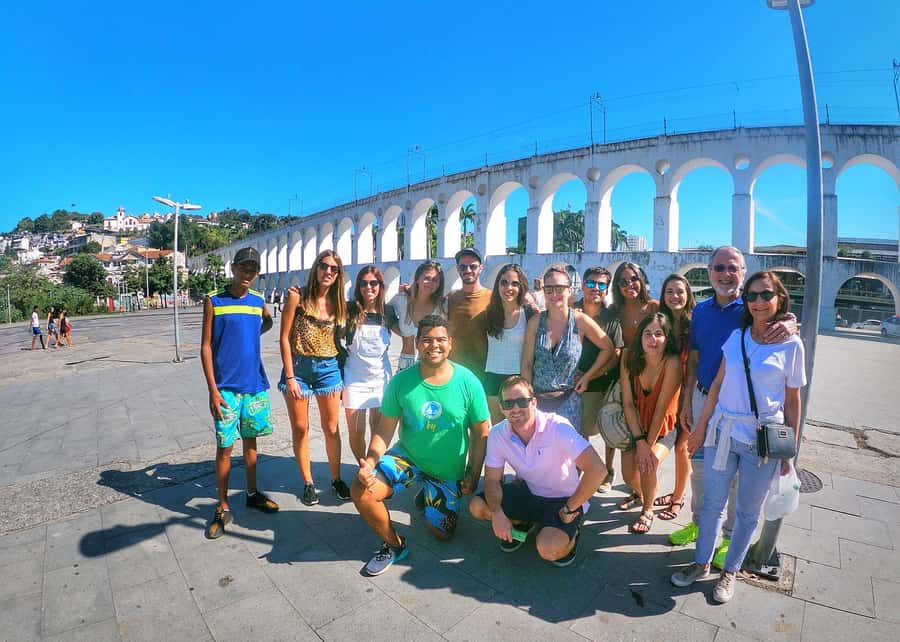
Rio’s famous scenery can make the city feel like a place to admire from a distance. This walk brings you into its downtown streets, where architecture and public spaces help explain how the city developed. I see it as a practical counterweight to beach time: you get context for the capital’s past and a closer sense of daily life in the center.
The tour is designed to cover both historical buildings and the city around them. Its stories range from kings and queens to emperors, freedom fighters, and revolutionaries. That broad span matters because Rio’s central architecture is not just decoration; it reflects different periods of power and change.
You should expect a guided overview, not an exhaustive study of every building or neighborhood. Three hours is enough to make a strong start, but not enough to cover all of downtown in detail. The value lies in having a local guide connect what you see with the events that shaped it.
Finding the meeting point at Cinelândia
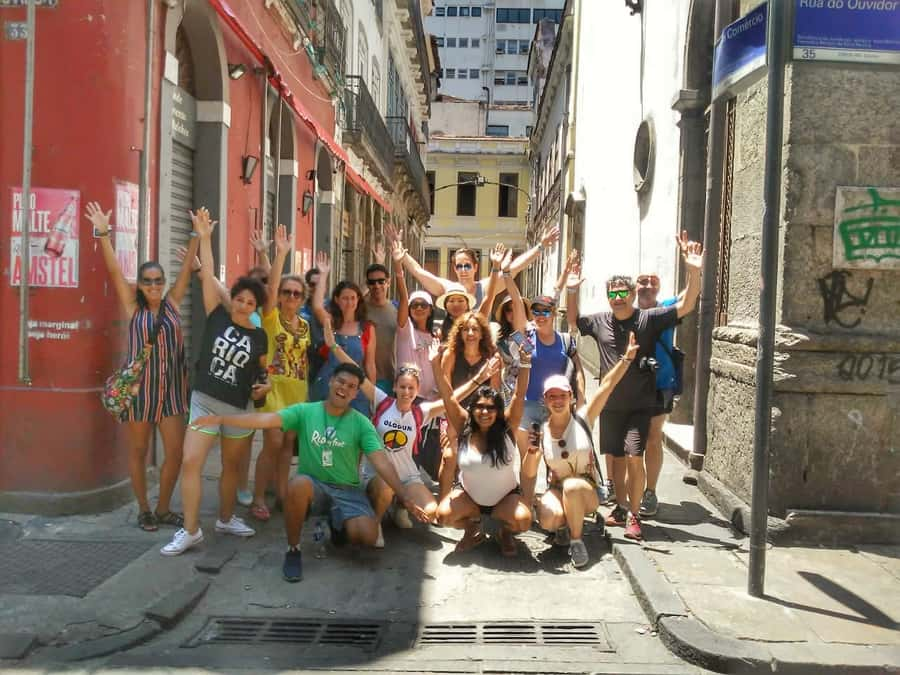
The meeting point is in front of Theatro Municipal, at Praça Cinelândia. The theater gives you a recognizable landmark to look for, but do take care to confirm the exact spot with the organizer before setting out. One participant specifically wished the meeting point had been more precise and that phone contact had been easier on the day.
Arrive with comfortable shoes and a little time to orient yourself. The tour is a walking experience from the start, and the group may head off once the scheduled walk begins. The supplied details do not give a route map or a list of exact start times, so check availability for the time that suits you.
The group limit of 10 is a plus for a city walk. A smaller group tends to make it easier to hear explanations and ask questions than a large procession, though the quality of the spoken experience still depends on the guide and how clearly you understand them.
More walking tours around Rio de Janeiro:
- Rio de Janeiro: Rocinha Favela Walking Tour with Local Guide
★ 4.8 · 3,052 reviews - Rio De Janeiro: Half-Day Rocinha Favela Walking Tour
★ 4.7 · 2,272 reviews - Rio de Janeiro: Little Africa Heritage Walking Tour
★ 4.9 · 177 reviews
Reading the city’s architecture as you walk
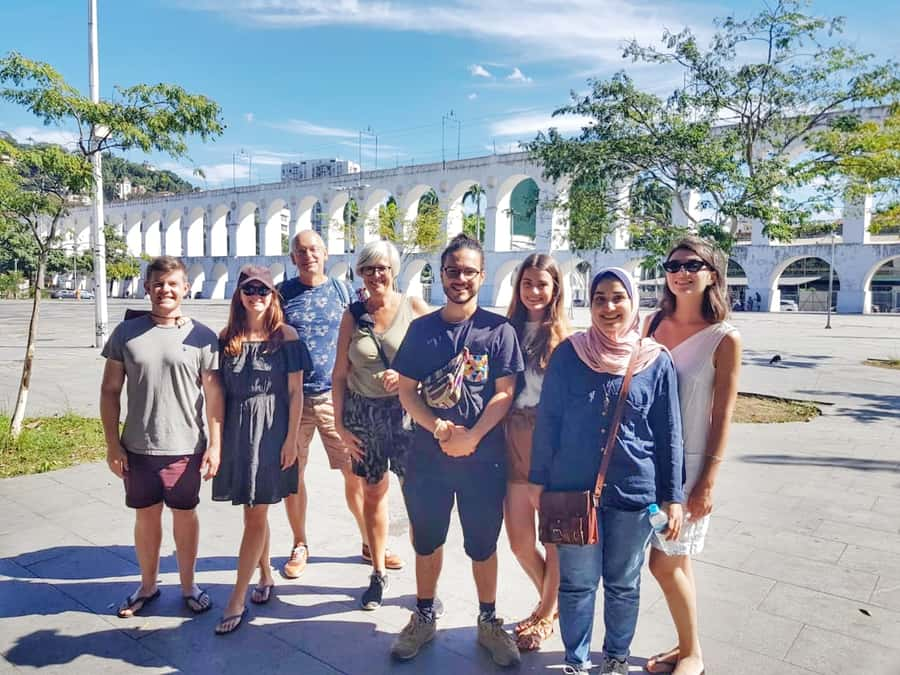
One of the tour’s central themes is the contrast between modern and historical architecture. You’ll see downtown not as a single preserved old quarter, but as a place where buildings from different periods sit within the same city center. That contrast can help you understand Rio’s development in a way that a list of dates cannot.
The guide’s role is to make those changes legible. Past participants have valued explanations of the buildings and the transformation of the center across centuries. The tour also aims to connect the grand history to local routines, so you are not only looking at façades but hearing how the city works today.
Keep your expectations grounded. One participant felt the old center did not have many major highlights, and that is a fair distinction: this is a history-and-context walk, not a tour built around one famous landmark after another. If you enjoy understanding why a place looks the way it does, the walk has more to offer than if you are seeking nonstop visual spectacle.
Going inside the old cathedral, Imperial Palace, and National Library
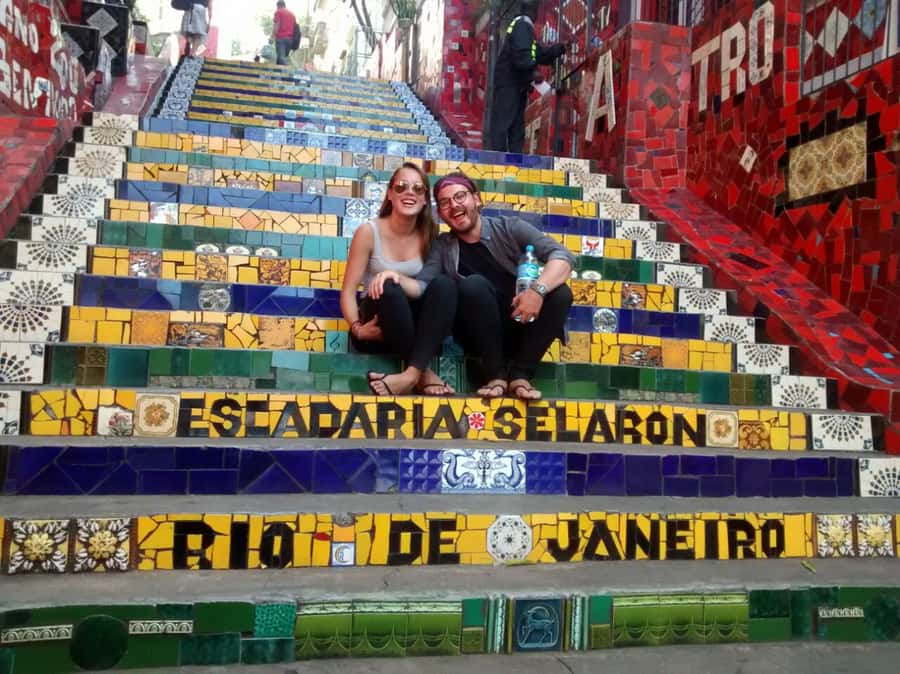
Interior visits are included at three named sites: the old cathedral, the Imperial Palace, and the National Library. That is a meaningful part of the experience. A street-side view can show you a building’s scale and style, but going inside gives the guide more to work with and gives you a closer look at the places where Rio’s religious, political, and cultural life took shape.
The available details do not specify how long the group spends in each interior or what rooms are visited. Treat the visits as part of a guided walk rather than expecting a long, independent tour of each building. Access can also depend on the conditions on the day, so it is sensible not to build a tightly timed schedule immediately afterward.
The names themselves offer a useful framework for the tour. The old cathedral provides a religious landmark; the Imperial Palace links the walk to Brazil’s monarchical past; and the National Library adds a cultural institution to the route. Your guide can tie these stops to the broader story of the city, rather than leaving you to piece together their significance alone.
Making sense of Lapa and everyday Rio

The tour is described as covering the historical downtown and Lapa, while also giving you a look at local daily life. That combination is useful if you want more than a monument checklist. Streets and neighborhoods are part of the story, and seeing them on foot can help you notice how the city’s historic center functions beyond its grand buildings.
The guide is also a source of practical suggestions. You can ask about places for photos, restaurants, and areas to visit in the evening for samba and caipirinhas. Those tips may help you turn a morning or afternoon walk into a better plan for the rest of your stay. They are suggestions, not included meals or nightlife visits, so ask for specifics that fit your own timing and interests.
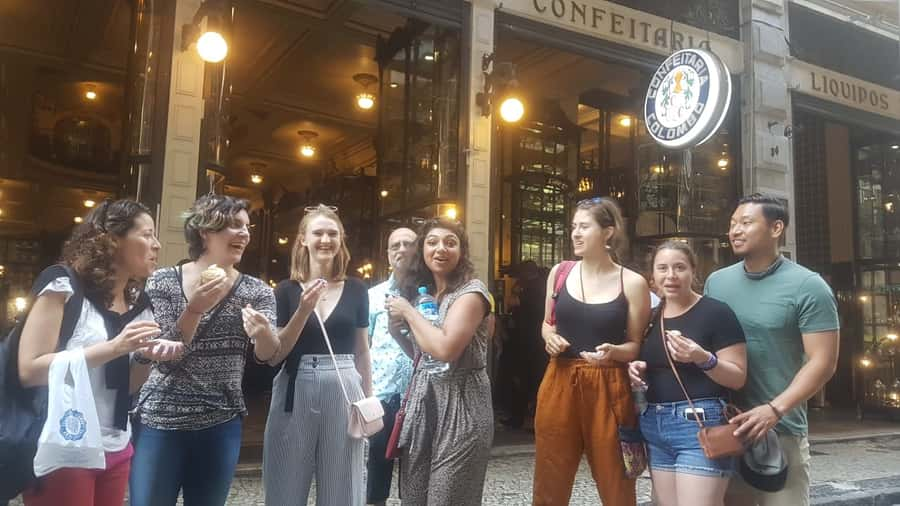
A coffee stop at Colombo Café has been part of at least one participant’s experience, and the stop was described as well timed. It is a pleasant possibility, but it is not listed as a guaranteed inclusion. If you have your heart set on visiting, ask the guide whether it fits the day’s route rather than counting on it.
More history tours around Rio de Janeiro:
- Rio de Janeiro: Historic Rio and Santa Teresa Half-Day Tour
★ 4.4 · 228 reviews - Explore Little Africa : Unveiling Afro Heritage in Rio de Janeiro
★ 5.0 · 97 reviews - Paraty: Historic Centre Walking Tour & Cachaça Tasting
★ 4.8 · 96 reviews - Learn the History of Rio with an Unforgettable City Center Walking Tour
★ 5.0 · 82 reviews
What the guide adds, and what to listen for
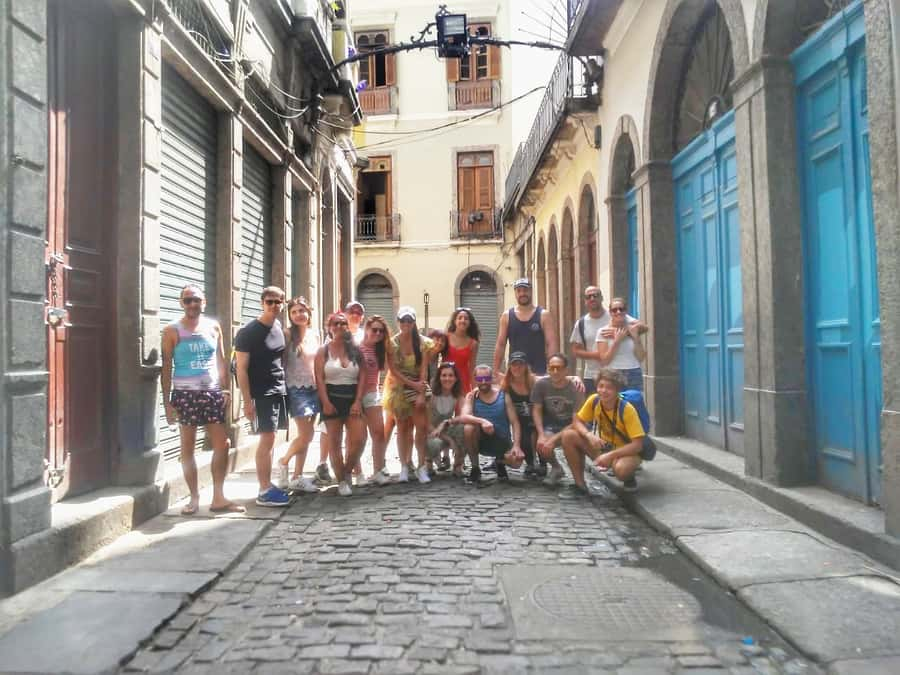
The guides are presented as passionate about Rio, and the tour’s strongest potential is their ability to explain the city in a lively, personal way. One participant had a private tour and appreciated the guide’s attention, willingness to answer questions, and flexibility with the route. That kind of adaptability can make a walk feel much more useful, though a private experience is not guaranteed for every booking.
The tour runs in English, Portuguese, and Spanish. Language availability does not guarantee that every guide’s accent or speaking style will be equally easy for every person to follow. One English-speaking participant found the guide’s accent difficult at times, while other participants praised the clarity and depth of the explanations. If understanding every detail is important to you, ask questions as you go and let the guide know when you would like a point repeated.
The most useful approach is to treat the walk as a conversation. Ask about the buildings in front of you, but also ask how the city center has changed and where locals go now. The guide can answer questions and offer recommendations, and those exchanges may be the part you remember longest.
Is $60 good value for this walk?

At $60 per person, this is not the cheapest way to see downtown Rio. The price makes the most sense if you value a guide’s historical explanations, the three interior visits, and the chance to get tailored local recommendations in a small group. You are paying for interpretation and orientation, not transport, a meal, or a full day of sightseeing.
For a first visit, that orientation can be worth the cost. The center’s history is easier to follow when someone explains how the city changed across different eras, and the small-group limit gives you a better chance to ask questions. If you are happy to read about the buildings yourself and explore independently, you may prefer to spend the money elsewhere.
The overall rating is 4.4 from 32 ratings, which suggests a generally positive experience with some variation. The strongest praise centers on the guide’s historical explanations, the opportunity to see places you might not find on your own, and a manageable pace. A few practical cautions remain: meeting-point communication could be clearer, and spoken English may not suit every ear.
Pace, weather, and who should book
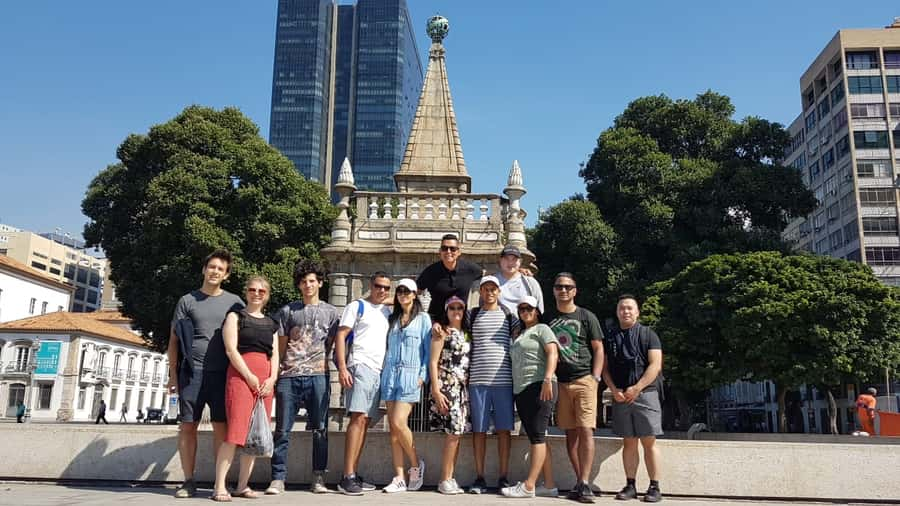
The walk lasts three hours and takes place rain or shine. Bring comfortable shoes and dress for the weather. The details do not state the total distance or whether there are frequent breaks, so if you have concerns about walking or standing for an extended period, ask the operator before booking.
This tour is best for curious first-time visitors who want to understand downtown Rio, enjoy architecture, and like having a local guide nearby. It also suits people who want advice for the rest of their stay, from restaurants to evening plans. History-minded visitors should get the most from the walk, especially if they enjoy asking questions.
It is less suitable if you have mobility impairments, prefer a vehicle-based tour, or want a route focused only on Rio’s headline attractions. The tour is a walking experience through a historic center, and part of its value is in noticing the details between the major stops.
You can reserve now and pay later, and cancellation is free up to 24 hours in advance for a full refund. Those terms give you flexibility, but the key decision is simpler: book if you want context and conversation along with the sights.
Should you book the Historical Downtown and Lapa walk?
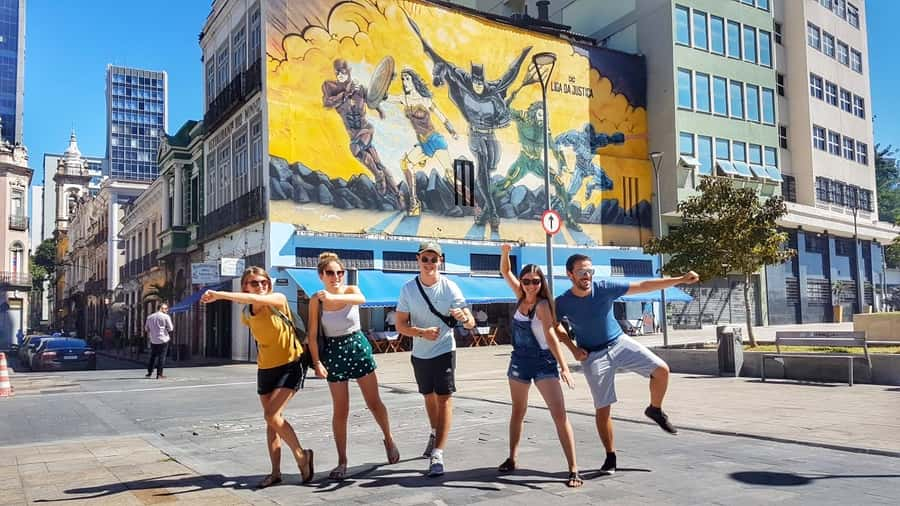
I would book this tour early in a Rio visit if you want to put the city’s architecture and history in context before exploring on your own. The three included interiors, limited group size, and practical local advice make it a useful orientation, especially for people who enjoy a guided conversation.
Skip it if your priority is a short, effortless sightseeing ride or a guaranteed stop at a particular café. The route is on foot, weather does not cancel it, and some details, including the exact route and any café stop, are not guaranteed. If that sounds fine, $60 buys a solid three-hour introduction to a side of Rio that is easy to overlook when the beaches are calling.
FAQ
How long is the tour?
The walking tour lasts three hours.
Where does the tour meet?
The meeting point is in front of Theatro Municipal at Praça Cinelândia.
Which sites are included inside?
The tour includes interior visits to the old cathedral, Imperial Palace, and National Library.
What languages are available?
The live guide is available in English, Portuguese, and Spanish.
How large is the group?
The small group is limited to 10 participants.
What should I bring?
Comfortable shoes are recommended for the walking tour.
Does the tour run if it rains?
Yes. The walk takes place rain or shine.
Is the tour suitable for people with mobility impairments?
No. It is listed as unsuitable for people with mobility impairments.
Can I cancel for a refund?
Yes. You can cancel up to 24 hours in advance for a full refund.
Just added around Rio de Janeiro
- Paraty Historical City Walking Tour★ 4.1 · 8 reviews
- Rio de Janeiro: Zip Lining and Canopy Tree Tour★ 3.3 · 6 reviews
- Hang gliding flight in Rio de Janeiro★ 5.0 · 6 reviews
- Trindade Day Trip: Nature and Sea Adventure from Paraty★ 4.6 · 5 reviews
- Vidigal Favela Tour★ 4.4 · 26 reviews
- Rio de Janeiro: Attend a Vasco da Gama game with local guide★ 4.8 · 9 reviews
- Rio Highlights: Christ, Sugarloaf, and More in a Private Tour★ 5.0 · 36 reviews
- Buzios: City Tour by Trolley with 12 Beaches and Pickup★ 4.5 · 4 reviews
Rio Walking Tours, compared.



Sunrise and Sunrise Walk Two Brothers with Local Guide
Read our review →


Learn the History of Rio with an Unforgettable City Center Walking Tour
Read our review →
Rio’s city walking tour: a glimpse of history and olympic legacy
Read our review →
Walking tour of the bohemian neighborhoods of Santa Teresa and Lapa
Read our review →Browse the lists this tour appears in