
Reviewed · RIO WALKING TOURS
Rio de Janeiro: Little Africa Heritage Walking Tour
Little Africa is a place where Rio’s African heritage is not a side note. This walk links Brazil’s colonial past to the port district’s living culture, with stops at Pedra do Sal, the birthplace of samba, and Cais do Valongo.
I like two things in particular: the guide gives context before the landmarks, so the sites make sense as part of a larger story, and the route mixes historic places with a rooftop view over Mauá Square and Guanabara Bay. The tour also visits Largo da Prainha, where the guide discusses African influence on Brazilian food.
One consideration: this is an outdoor walk in Rio’s heat and it goes ahead rain or shine. At 150 minutes, it is a useful introduction, but it is not a sit-down history lesson, so bring water, sun protection, and shoes you can walk in.
What to know before you go
- The route begins at the Rio Art Museum: Meet your guide outside, five minutes before the start.
- The rooftop pause offers a view of Mauá Square and Guanabara Bay: It adds a change of pace before the neighborhood walk.
- Pedra do Sal connects the route to samba: The area is described as the birthplace of samba and the country’s oldest continuously inhabited Black neighborhood.
- The history is the main event: Expect discussion of colonial Brazil, slavery, Afro-Brazilian culture, and present-day racial dynamics.
- It is a 2.5-hour outdoor tour: Comfortable shoes, water, sunscreen, and light, comfortable clothes are sensible.
- The tour is offered in English: Hotel pickup and drop-off are not included, and children under five are not suited to the activity.
Why Little Africa matters to this walk
Rio’s port district is often approached as a collection of landmarks, but this walk gives you a reason to connect them. Little Africa took shape around the turn of the 20th century. After the slave trade became illegal in Brazil, freed people continued to live and work in this area, and African traditions helped shape the neighborhood and the wider city.
That context matters because a quick stop at a statue or a historic square can otherwise feel like a set of disconnected facts. Here, the guide starts with Brazil’s colonial period, then carries that background into the streets and sites ahead. The subject is not limited to the distant past: the tour also addresses Afro-Brazilian culture and, according to past tours, can reach present-day racial questions.
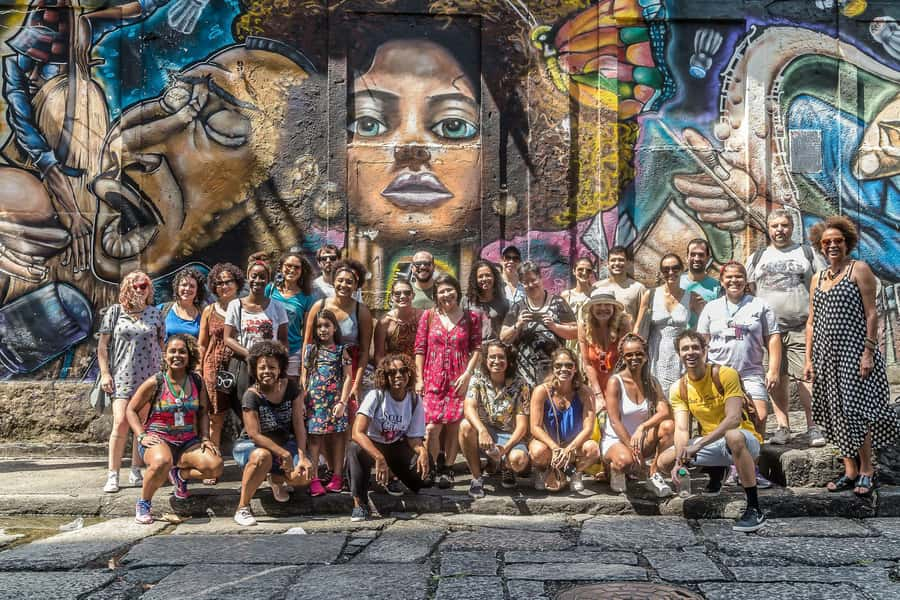
The guide is central to the experience. Recent departures have been led by guides including Luana, Nathalia, Ryane, Marina, Eddie, Larissa, and Raquel. Names and schedules can change, but the strongest reports about the tour consistently point to guides who explain complex material clearly, invite questions, and bring personal energy to the walk. Some have used humor, stories, and thoughtful prompts to keep the group involved while treating slavery and racism with care.
I would make this one of your first Rio activities if you want historical context for the rest of your stay. One person described it as a tour that helped put the whole trip in perspective, and that is a good way to think about its value: it gives you a framework for understanding more than the places on this route.
More walking tours around Rio de Janeiro:
- Rio de Janeiro: Rocinha Favela Walking Tour with Local Guide
★ 4.8 · 3,052 reviews - Rio De Janeiro: Half-Day Rocinha Favela Walking Tour
★ 4.7 · 2,272 reviews - Paraty: Historic Centre Walking Tour & Cachaça Tasting
★ 4.8 · 96 reviews
Starting at the Rio Art Museum
Meet outside the Museu de Arte do Rio, usually called the Rio Art Museum, and arrive five minutes early. The guide can wait only 15 minutes if you are delayed, so do not count on a relaxed late arrival. The museum is the start and return point, but hotel pickup and drop-off are not part of the tour.
The opening discussion introduces Brazil’s colonial history. This is not filler before the walk begins. It supplies the background for the route’s central themes: slavery, the lives of freed people in the port area, and the formation of Afro-Brazilian culture. If you have mostly seen Rio through its beaches and famous viewpoints, this is a more grounded way to begin.
There is also a short rooftop pause, listed as a 10-minute break, with a view across Mauá Square and Guanabara Bay. It gives you a chance to orient yourself before heading into the neighborhood. The tour description includes this rooftop viewpoint, but lists only the guide as an included item. If separate museum access or a fee is a concern, check with the operator before booking rather than assuming admission is included.
Morro da Conceição and the port district
From the museum, the walk goes toward Morro da Conceição, with a guided walk of about 20 minutes. The port neighborhoods around here became known as Little Africa around the turn of the 20th century. The guide connects the area’s streets and places to the people who remained here after the slave trade was outlawed.
This section is where the introduction begins to take shape on the ground. You are not just hearing a broad account of Brazilian history, but following it through a specific part of Rio. The topic can be difficult, and the route does not make it easy or decorative. That is a strength: understanding the city means facing the history that helped form it.
The walking pace is likely to suit you if you want time to listen and ask questions rather than rush between photo stops. Still, the schedule is compact. Each listed stop is around 20 minutes, so the guide has to choose what to emphasize. If a subject particularly interests you, ask about it while you are there.
Food and memory at Largo da Prainha
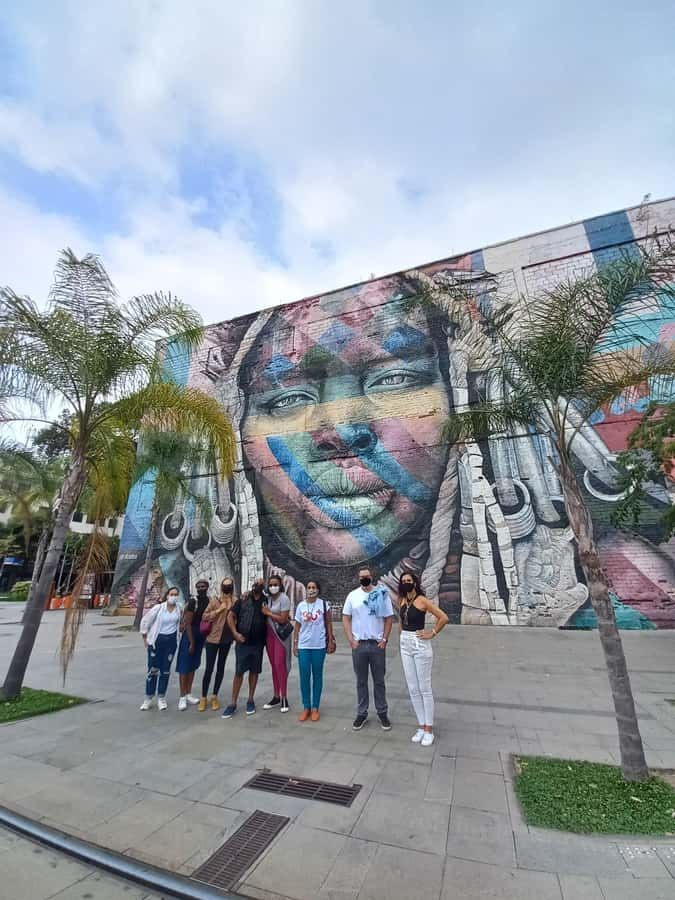
At Largo de São Francisco da Prainha, the group spends about 20 minutes on a guided visit. The stop focuses on African influence in Brazilian gastronomy, a welcome shift from the political and historical themes elsewhere on the route. Food offers a tangible way to consider how culture carries forward through everyday life.
This is not listed as a meal stop, so do not arrive expecting lunch or a tasting to be part of the price. The tour takes place outdoors, and the schedule is limited. But it can give you ideas for what to try later. Guides have also offered restaurant and food recommendations, and some groups have continued on for lunch after the walk.
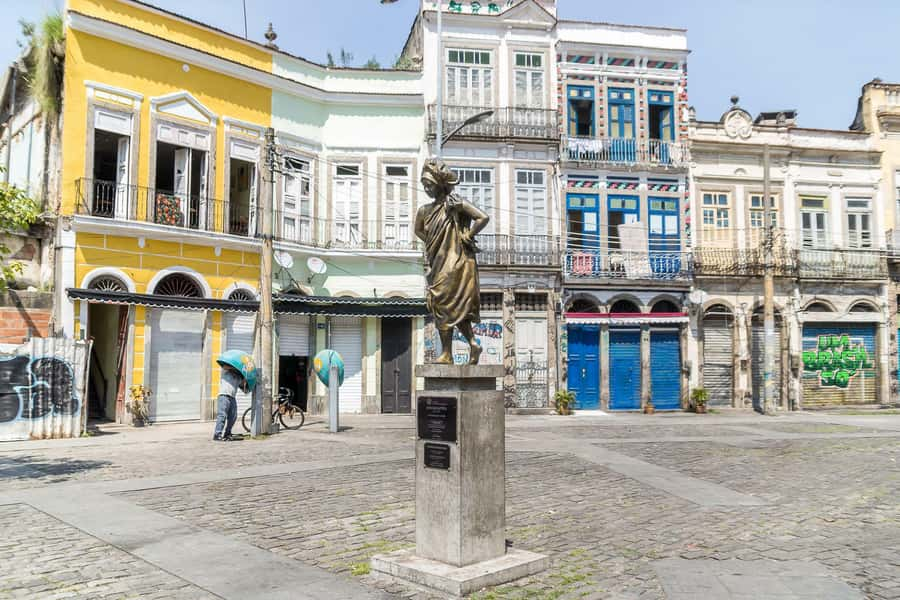
Near the plaza, the tour points out a statue honoring Mercedes Baptista. She was the first Black dancer at Rio’s Municipal Theater and a forerunner of Afro dance in Brazil. Her place in the route shows how the tour moves beyond a general account of the past to recognize individual artists and cultural figures. It is a useful pause to consider who gets remembered in public spaces and why.
More history tours around Rio de Janeiro:
- Rio de Janeiro: Historic Rio and Santa Teresa Half-Day Tour
★ 4.4 · 228 reviews - Explore Little Africa : Unveiling Afro Heritage in Rio de Janeiro
★ 5.0 · 97 reviews - Learn the History of Rio with an Unforgettable City Center Walking Tour
★ 5.0 · 82 reviews - Rio’s city walking tour: a glimpse of history and olympic legacy
★ 4.5 · 78 reviews
Pedra do Sal, where the samba story takes shape
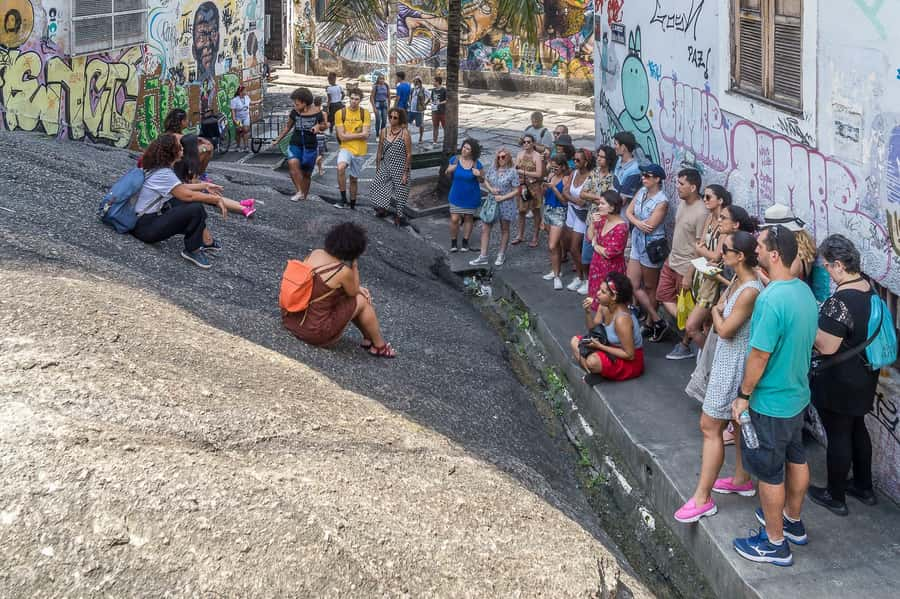
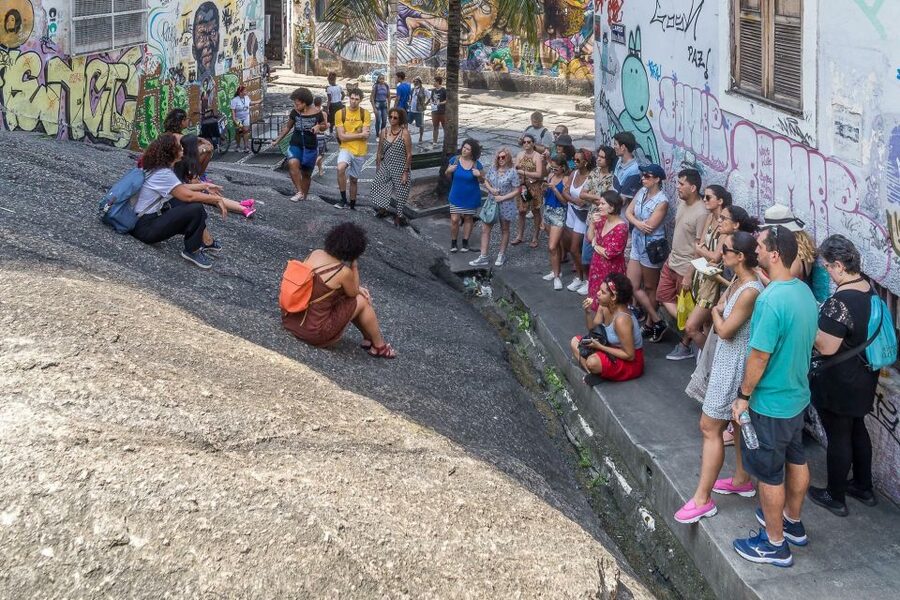
Pedra do Sal gets about 20 minutes as a guided stop, and it is one of the walk’s defining places. It is considered the birthplace of samba, and the surrounding area is described as the oldest continuously inhabited Black neighborhood in Brazil. Those are large claims, but here they connect to the tour’s central idea: Afro-Brazilian culture is part of Rio’s foundations, not an optional add-on to its story.
The guide explains the site’s links to samba and the Black community that has lived in the area. You will have time to look around and ask questions, though this is not a performance or a dedicated music event. Think of it as a place-based introduction to the music’s roots, not a promise of live samba.
This stop can be especially meaningful if you are interested in how culture develops and survives across generations. Past guides have used murals and local details to bring the subject into the present. The focus is not only on famous names or dates, but on a neighborhood and its continuing role in Rio.
The Hanging Garden and Cais do Valongo
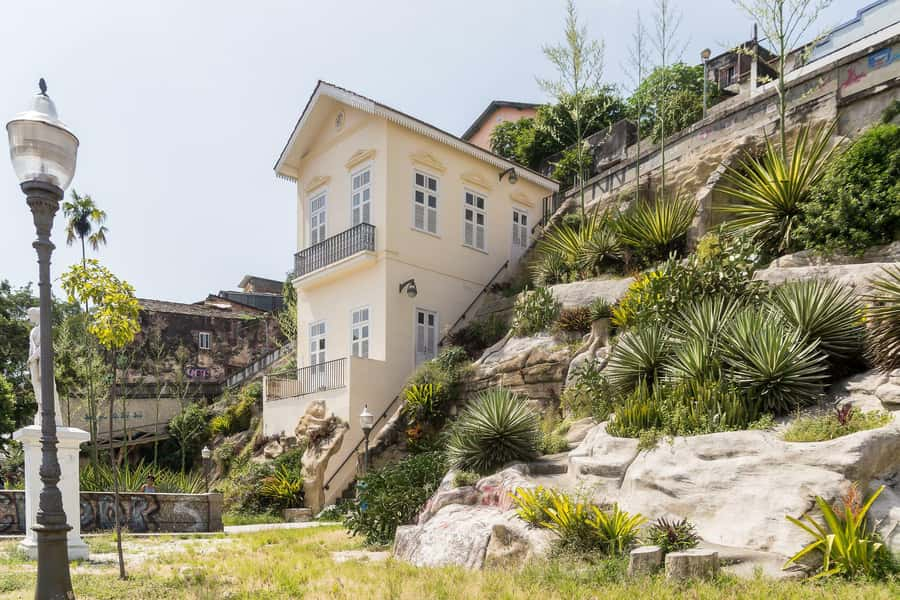
The route continues to Jardim Suspenso do Valongo, or the Hanging Garden of Valongo, for another guided stop of about 20 minutes. The garden offers a different setting from the street-level walk and gives the guide another place to develop the area’s history. It is one of several stops that reward attention to how the port district is remembered and represented.
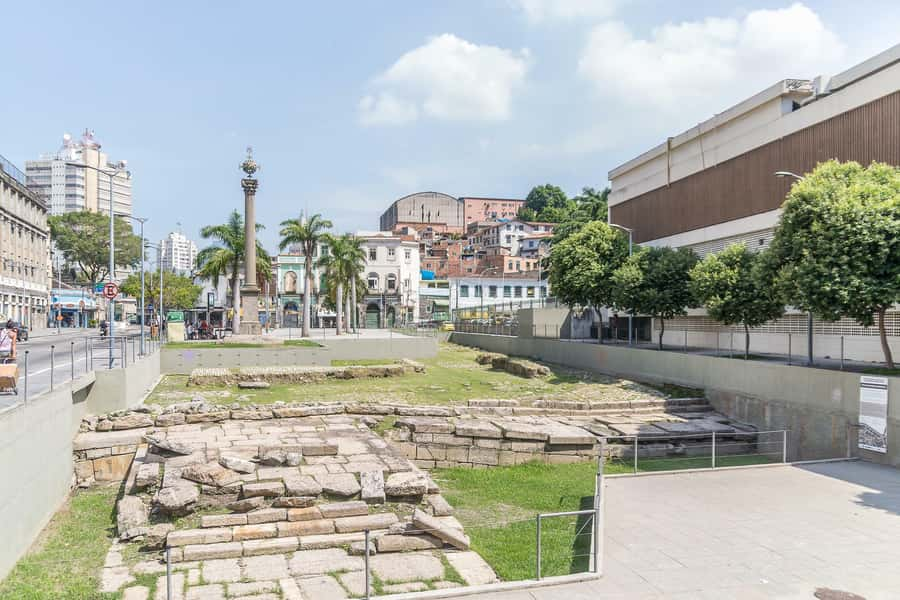
The final historic stop is Cais do Valongo, also listed at about 20 minutes. The tour ends at Valongo before returning to the Rio Art Museum. The significance of the site is tied to the wider story of the port, slavery, and Little Africa. Taken together, the garden and quay bring the walk back to the history laid out at the start, rather than ending on a purely scenic note.
The posted route says the tour arrives back at the museum, so allow for that return when planning what comes next. The total duration is 150 minutes, or two and a half hours. The individual walking and visit segments do not account for every minute, leaving room for the opening, rooftop pause, transitions, and return.
What the $40 price gets you
At $40 per person, the main value is the guide’s interpretation of a compact, historically significant area. You are paying for a structured walk in English, with a route that brings together the port district, samba, Afro-Brazilian culture, and sites connected to slavery and its aftermath. A self-guided walk can show you the same streets, but it cannot provide the same sequence of context and discussion.
The price does not include hotel transport, and meals are not listed as included. The experience is also not a broad sightseeing tour of Rio: you will not cover the city’s major beaches or distant attractions in 150 minutes. Its value depends on whether this subject matters to you. If you want a deeper understanding of the city’s African heritage, it is a focused use of half a day. If you want scenic stops or a general city overview, another tour may fit better.
The tour has a 4.9 rating from 177 reviews. More useful than the number is the pattern behind it: guides are repeatedly praised for clear storytelling, warmth, and care with difficult topics. Names that come up in recent feedback include Luana, Nathalia, Ryane, Marina, Eddie, Larissa, and Raquel. You cannot assume a particular guide will lead your departure, but the guide-led format is the heart of what you are booking.
How to prepare for the walk
Wear comfortable shoes and clothes, and bring water and sunscreen. The tour is outdoors and takes place rain or shine, so a light rain layer can be useful if the forecast calls for showers. One practical point that comes through clearly from the route itself: Rio’s heat can make 2.5 hours on foot feel longer, especially if you are not used to walking in the sun.
The tour is offered in English, and children under five are not considered suitable. It is best for people who are comfortable walking and listening outdoors, and who are ready for frank discussion of slavery, racism, and Brazil’s history. It is not a lighthearted samba stroll, though the cultural stops and guides’ personal approach can make the material engaging.
If you want to ask follow-up questions, do so as the tour goes along. Past guides have been praised for taking time with sensitive or challenging questions, and for sharing recommendations for food and things to do. If you have time afterward, you could ask your guide about places to eat nearby, but lunch is not part of the scheduled experience.
Should you book the Little Africa walk?
Book it if you want Rio’s history to include the people and culture that shaped the port district, and if you value a guide who can connect landmarks to larger questions. Pedra do Sal, the rooftop view, the Mercedes Baptista statue, and Cais do Valongo make a varied route, but the real payoff is the story linking them.
Skip it if your priority is a relaxed indoor activity, a food tour, or a general overview of Rio’s headline sights. For the right visitor, though, this is a worthwhile $40 introduction to a part of the city that deserves more than a passing mention. Schedule it early in your stay if you can, bring water, and leave room afterward to follow up on what you learn.
FAQ
How long is the Little Africa Heritage Walking Tour?
The tour lasts 150 minutes, or two and a half hours.
Where does the tour meet?
Meet your guide in front of the Rio Art Museum. Arrive five minutes before the activity begins.
What language is the tour offered in?
The tour is offered in English.
Does the tour include hotel pickup and drop-off?
No. Hotel pickup and drop-off are not included.
What should I bring?
Wear comfortable shoes and clothes, and bring sunscreen and water. The tour takes place rain or shine.
Is the tour suitable for children under five?
No. Children under five are listed as not suitable for this activity.
Just added around Rio de Janeiro
- Paraty Historical City Walking Tour★ 4.1 · 8 reviews
- Rio de Janeiro: Zip Lining and Canopy Tree Tour★ 3.3 · 6 reviews
- Hang gliding flight in Rio de Janeiro★ 5.0 · 6 reviews
- Vidigal Favela Tour★ 4.4 · 26 reviews
- Trindade Day Trip: Nature and Sea Adventure from Paraty★ 4.6 · 5 reviews
- Rio Highlights: Christ, Sugarloaf, and More in a Private Tour★ 5.0 · 36 reviews
- Buzios: City Tour by Trolley with 12 Beaches and Pickup★ 4.5 · 4 reviews
- Rio de Janeiro: Attend a Vasco da Gama game with local guide★ 4.8 · 9 reviews
Rio Walking Tours, compared.



Sunrise and Sunrise Walk Two Brothers with Local Guide
Read our review →
Learn the History of Rio with an Unforgettable City Center Walking Tour
Read our review →
Rio’s city walking tour: a glimpse of history and olympic legacy
Read our review →
Walking tour of the bohemian neighborhoods of Santa Teresa and Lapa
Read our review →
Private Walk through the Natural Pools in Búzios
Read our review →Browse the lists this tour appears in