
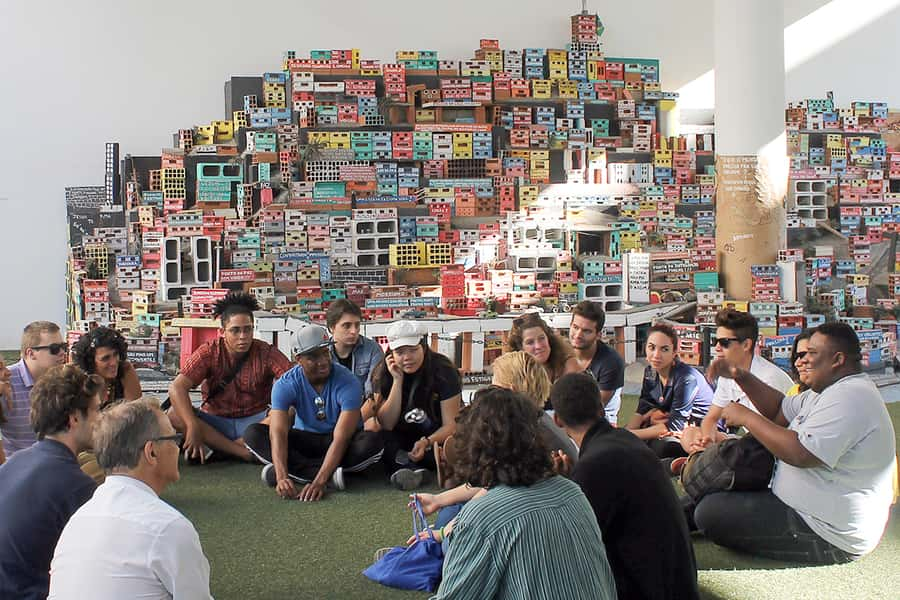
Reviewed · RIO WALKING TOURS
Rio de Janeiro: Afrobrazilian Heritage & Black History Walk
Rio’s port district holds a history that is essential to understanding the city. This 150-minute walk connects the story of the transatlantic slave trade to the living culture of Afro-Brazilian communities, with stops at Valongo Wharf and Pedra do Sal.
I like two things in particular: the walk is led by a guide of African descent from Rio, and it links historic sites to traditions you can still encounter today, including samba and Afro-Brazilian religions. Kelly and Jaíse have both guided the experience, with past tours praised for detailed history and personal, generous conversation.
One consideration: this is a focused history walk, not a food tour or a museum visit. You’ll cover meaningful ground on foot, and the tour runs rain or shine, so comfortable shoes, water, and rain gear matter.
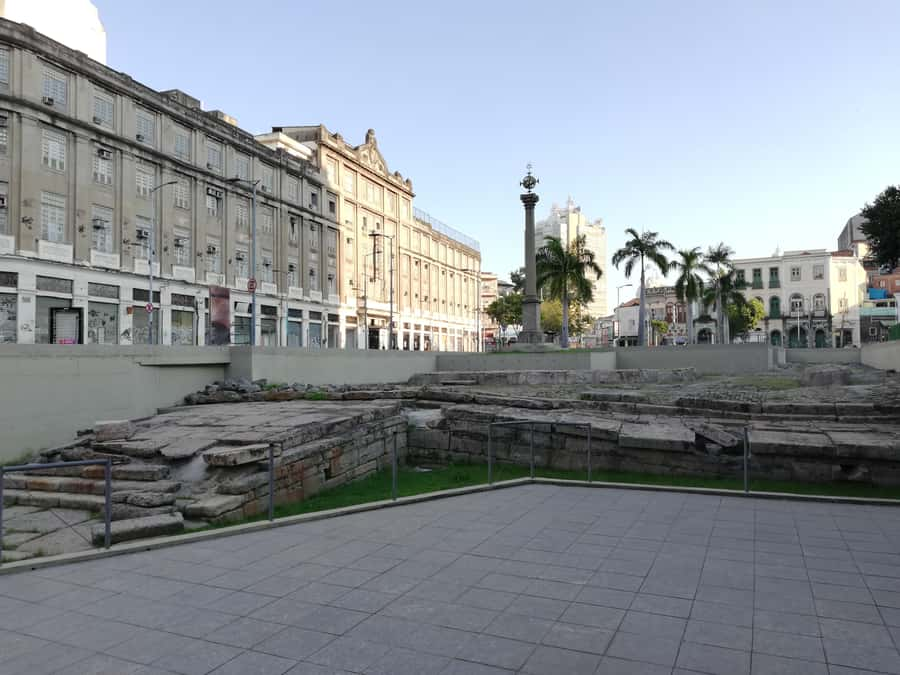
- Valongo Wharf is the key historical stop, a UNESCO World Heritage Site that preserves the memory of the transatlantic slave trade.
- Pedra do Sal sits at the heart of Little Africa and is tied to samba, early Carnival gatherings, and weekly samba circles.
- Afro-Brazilian faiths are part of the story, including candomblé, umbanda, and the traditions of orishas, nkisis, and voduns.
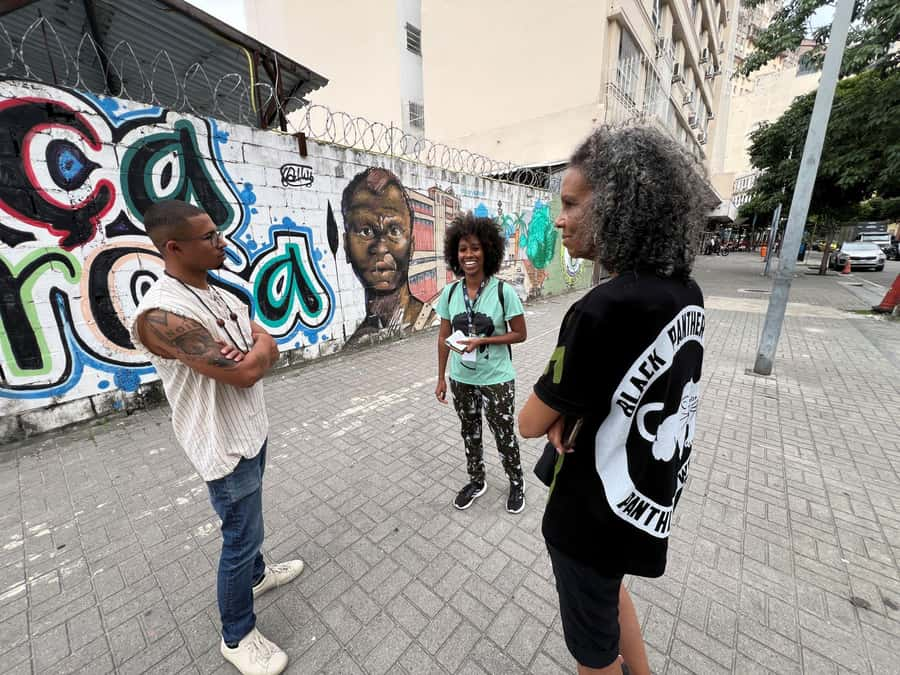
- The route includes downtown landmarks such as Praça Mauá and Largo São Francisco da Prainha, as well as murals around the port district.
- The tour costs $64 per person and lasts 150 minutes. Food, transport, and museum admission are extra.
- English, Spanish, and Portuguese are offered. The walk is listed as wheelchair accessible.
Start at Praça Mauá, where Rio’s port story begins
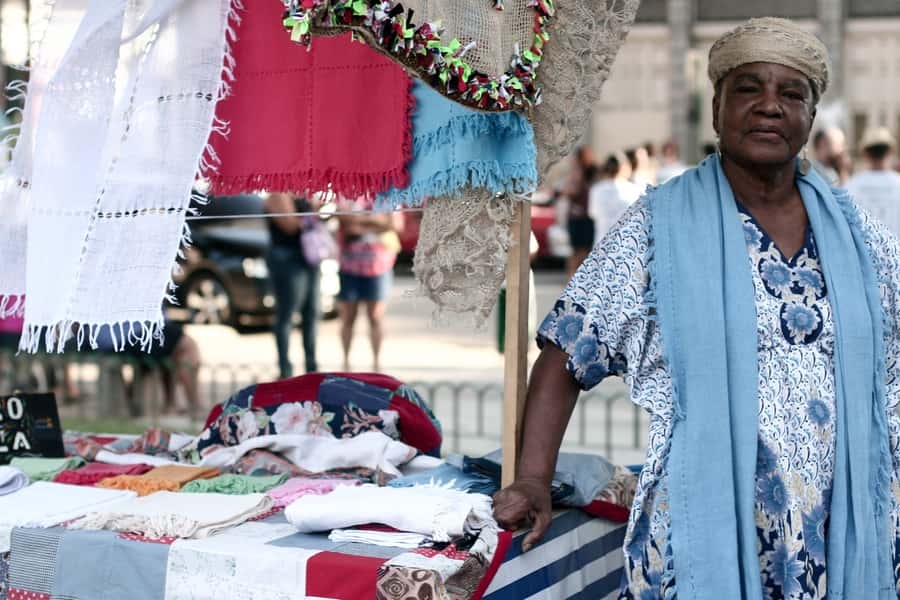
The stated meeting point is beneath the trees in front of MAR, the Rio Art Museum, at Praça Mauá. It is a useful place to begin: this port-side square puts you close to the old waterfront and the central sites that frame the tour’s subject. The itinerary also gives a possible starting location at Museu de Arte do, R. Pedro Ernesto, 32, so check your booking details if your confirmation names a different spot.
The walk is designed to make the city’s history legible on the ground. Rather than treating slavery as a distant chapter, your guide connects the forced arrival of Africans in Brazil with the neighborhoods, music, and religious practices that grew from their presence. The tour covers the Portuguese trafficking of enslaved people over more than 380 years, and gives you a chance to ask questions as you move between sites.
Expect an active, conversational experience, not a lecture delivered from one place. The itinerary includes a 15-minute guided walk through Saúde and a broader 2.5-hour guided tour of Rio’s historic center. The stated total duration is 150 minutes, or two and a half hours.
Valongo Wharf gives the history a physical address

The central stop is Valongo Wharf, also called Cais do Valongo. Millions of Africans arrived here to be sold into slavery, making the site one of the most important places in the Atlantic slave trade’s history. Its UNESCO World Heritage status recognizes its value as a place of memory, not simply as an old harbor.
A visit here matters because the scale of the trade can otherwise feel abstract. At the wharf, the story is tied to a specific part of Rio’s waterfront and to the people who were forced through it. Your guide explains the site’s role and the lives and cultural legacies of Africans and their descendants in the city.
The tour also points to Praça Mauá and Largo São Francisco da Prainha, locations that help situate the port district’s African heritage within downtown Rio. The experience is about more than naming sites: it gives you a framework for noticing how the city’s past remains present in its neighborhoods and customs.
The walk does not include entrance to the Museum of Tomorrow or the Rio Art Museum. That is useful to know if you’re planning a museum visit on the same day. You can make the tour the main event, then choose whether to add either museum separately.
More walking tours around Rio de Janeiro:
- Rio de Janeiro: Rocinha Favela Walking Tour with Local Guide
★ 4.8 · 3,052 reviews - Rio De Janeiro: Half-Day Rocinha Favela Walking Tour
★ 4.7 · 2,272 reviews - Rio de Janeiro: Little Africa Heritage Walking Tour
★ 4.9 · 177 reviews
Pedra do Sal connects samba to Little Africa
Pedra do Sal, or Rock of Salt, is a major stop for understanding the cultural life that took root in this part of Rio. The area is known as the birthplace of samba, with musicians gathering to sing and dance. It is also considered the center of Little Africa, a name that points to the area’s strong ties to African-descended communities.
The guide explains how Pedra do Sal was connected to early Carnival bloco parties and parades. That history leads naturally to the present: samba circles, or rodas de samba, continue here each week. The tour includes tips on local music and programming, which can help you decide whether to return when there is a performance.
One past tour included an invitation to a samba jam session at the town square. That gives you a sense of how the experience can extend beyond dates and landmarks into local cultural life, but don’t assume a performance or meal is included in every tour. Food is not included, and the itinerary’s reference to regional food at Pedra do Sal does not mean you should count on a meal being provided.
The walk also passes striking murals in the port area. One visitor specifically praised the murals, and the itinerary names the Etnias mural by artist Kobra as a possible drop-off point. The art adds another visual layer to a route already dealing with memory and identity.
Candomblé, umbanda, and the traditions behind the names
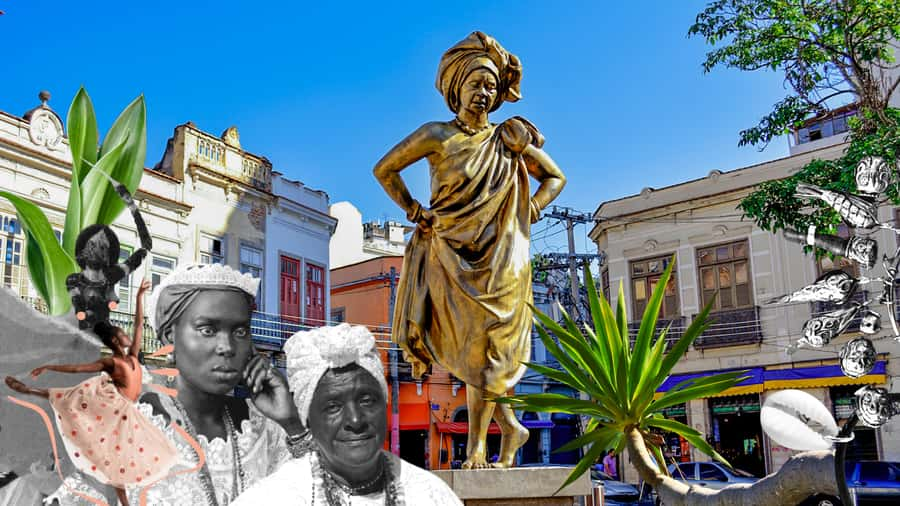
The tour introduces the origins of Afro-Brazilian religions and their relationship with Christianity. You’ll hear about candomblé and umbanda, as well as the legacy of orishas, nkisis, and voduns, ancestral divine beings associated with nature and spiritual traditions.
The point is not to reduce these faiths to a list of names. Their history is bound up with the survival and adaptation of African cultural practices in Brazil, including religious syncretism with Christian traditions. A guide who can explain this context helps you see why religion belongs in a walk about history, music, and community rather than being treated as a separate subject.
If you want to understand Rio beyond its postcard landmarks, this part of the tour is especially useful. It offers a starting point for learning how African-descended communities shaped the city’s spiritual life, while leaving room for questions and further reading.
A guide’s perspective is central to the experience

The tour is led by a guide of African descent from Rio, a meaningful part of its approach. The experience is intended to share the history and cultural legacy of African descendants from a local perspective, rather than presenting the subject as a detached account of the past.
Kelly and Jaíse have both guided the walk. Past participants have praised Kelly’s careful research, personal connection to the subject, patience, and willingness to talk; Jaíse was also singled out for detailed, inspiring history. The guide assigned to your date may vary, so treat those names as examples of who has led the tour, not a guarantee.
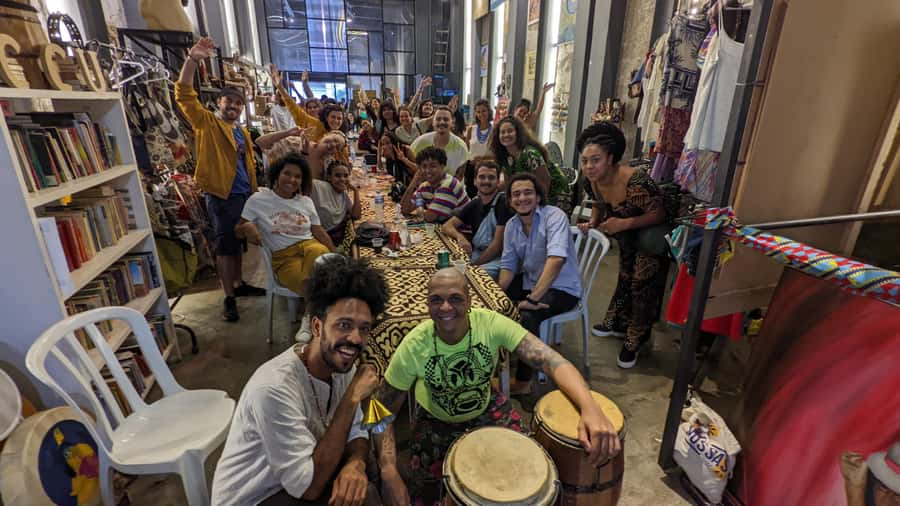
That emphasis on conversation can make a difference on a topic this weighty. You can ask about what you see, get recommendations for local music, art, museums, restaurants, and events, and hear how historic sites relate to the city now. The tour’s value depends in large part on the guide’s ability to connect the places and ideas, so the language you choose matters. English, Spanish, and Portuguese are offered; French is not listed.
More history tours around Rio de Janeiro:
- Rio de Janeiro: Historic Rio and Santa Teresa Half-Day Tour
★ 4.4 · 228 reviews - Explore Little Africa : Unveiling Afro Heritage in Rio de Janeiro
★ 5.0 · 97 reviews - Paraty: Historic Centre Walking Tour & Cachaça Tasting
★ 4.8 · 96 reviews - Learn the History of Rio with an Unforgettable City Center Walking Tour
★ 5.0 · 82 reviews
What $64 buys, and what it doesn’t
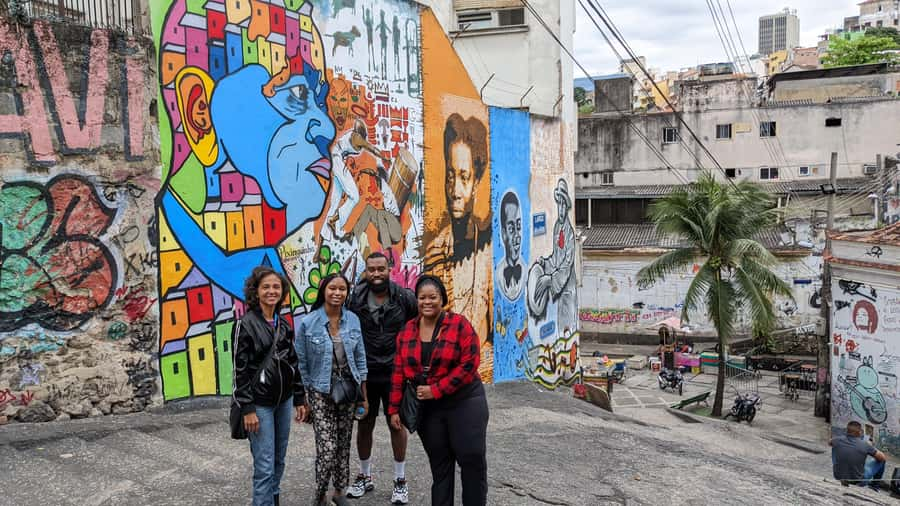
At $64 per person, this is a paid guided walk rather than a simple route between landmarks. The price covers 150 minutes with a guide, the historical context at Valongo Wharf, the walk through downtown’s African heritage sites, and an introduction to samba and Afro-Brazilian religious traditions. For a visitor who wants context and conversation, those elements can justify the cost.
The fee does not include food, transfers, or entrance to the Museum of Tomorrow and Rio Art Museum. Keep those exclusions in mind when planning your day. If you want to eat at Pedra do Sal or visit a museum, budget separately and allow extra time.
No group size is specified, so I wouldn’t assume a private or small-group format. Private arrangements on another date may be possible with about 24 hours’ notice, but transfer fees can apply and depend on vehicle availability. Ask the operator directly if you need a custom date or transport.
Practical details for a comfortable walk
Wear comfortable clothes and bring a reusable water bottle, a hat, and rain gear. The tour takes place rain or shine, so a light shower does not necessarily mean a cancellation. Since the route is on foot, sensible shoes are a better choice than footwear meant only for photos.
The activity is listed as wheelchair accessible. If you have specific mobility needs, it is still sensible to confirm route details with the operator before booking, since the available information does not describe the surfaces or any step-free arrangements.
Pets are not allowed, though assistance dogs are permitted. The guide offers English, Spanish, and Portuguese, and the operator asks participants to use WhatsApp for faster communication. Keep travel insurance and relevant policy details handy; insurance is recommended for outdoor activities but is not mandatory.
Bookings can be cancelled up to 24 hours in advance for a full refund, and a reserve-now, pay-later option is available. These policies offer some flexibility if your plans are not settled.
Who should book this walk?
I’d choose this tour if you want to understand how Rio’s African heritage shaped its culture, not just see the famous sights. It suits visitors who are interested in history, samba, religion, and local perspectives, and who are comfortable spending two and a half hours walking and listening.
It may be less suitable if you want a relaxed food outing, a museum-focused tour, or a route with no challenging historical subject matter. The story of slavery is central, and the tone is necessarily serious. The cultural material at Pedra do Sal adds a living dimension, but it does not soften the history or turn the walk into entertainment.
For the strongest value, go with questions in mind and leave time afterward to follow up on the guide’s tips for music, museums, or local events. Book it if you want context that connects Rio’s port, its people, and its cultural traditions. If you’re looking only for a quick photo stop, this thoughtful walk is probably more than you need.
FAQ
How long is the tour?
The walk lasts 150 minutes, or two and a half hours.
Where is the meeting point?
Meet beneath the trees in front of MAR, the Rio Art Museum, at Praça Mauá. The tour details also list Museu de Arte do, R. Pedro Ernesto, 32, as a possible starting location, so check your booking confirmation.
What languages are available?
The tour is offered in English, Spanish, and Portuguese.
Which sites are included?
The route includes Valongo Wharf, Praça Mauá, Largo São Francisco da Prainha, and Pedra do Sal. Listed drop-off options also include Cais do Valongo and the Etnias mural by Kobra.
Is food included?
No. Food is not included. The itinerary mentions regional food at Pedra do Sal, but you should plan and pay for any food separately.
Are museum admissions included?
No. Entrance to the Museum of Tomorrow and the Rio Art Museum is not included.
Does the tour run in the rain?
Yes. The tour takes place rain or shine. Bring rain gear and a reusable water bottle.
Can I cancel for a refund?
You can cancel up to 24 hours in advance for a full refund.
Just added around Rio de Janeiro
- Paraty Historical City Walking Tour★ 4.1 · 8 reviews
- Rio de Janeiro: Zip Lining and Canopy Tree Tour★ 3.3 · 6 reviews
- Hang gliding flight in Rio de Janeiro★ 5.0 · 6 reviews
- Trindade Day Trip: Nature and Sea Adventure from Paraty★ 4.6 · 5 reviews
- Vidigal Favela Tour★ 4.4 · 26 reviews
- Rio Highlights: Christ, Sugarloaf, and More in a Private Tour★ 5.0 · 36 reviews
- Buzios: City Tour by Trolley with 12 Beaches and Pickup★ 4.5 · 4 reviews
- Rio de Janeiro: Attend a Vasco da Gama game with local guide★ 4.8 · 9 reviews
Rio Walking Tours, compared.


Sunrise and Sunrise Walk Two Brothers with Local Guide
Read our review →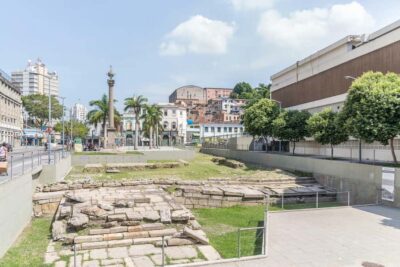
Learn the History of Rio with an Unforgettable City Center Walking Tour
Read our review →
Rio’s city walking tour: a glimpse of history and olympic legacy
Read our review →
Walking tour of the bohemian neighborhoods of Santa Teresa and Lapa
Read our review →Browse the lists this tour appears in