
Reviewed · RIO WALKING TOURS
Rio: African Culture Walking Tour
Rio’s Carnival is more than feathers, drums, and parade nights. This three-hour tour links the city’s Afro-Brazilian heritage to the people and work behind samba, beginning in Little Africa and Pedra do Sal before ending inside Cidade do Samba.
I like two things in particular: the walk puts Black resistance and the fight to end slavery at the center of Rio’s story, and the visit to a samba school’s Carnival workspace shows how parade spectacle is made. The tour is capped at 15, and a guide can help connect the past to present-day culture.
One consideration: the final stop is a working Carnival production space, not a street-level neighborhood encounter. One participant found that part less locally rooted than the walk, so go for the history and context as well as the workshop visit.
What Makes This Rio Walk Worth Considering
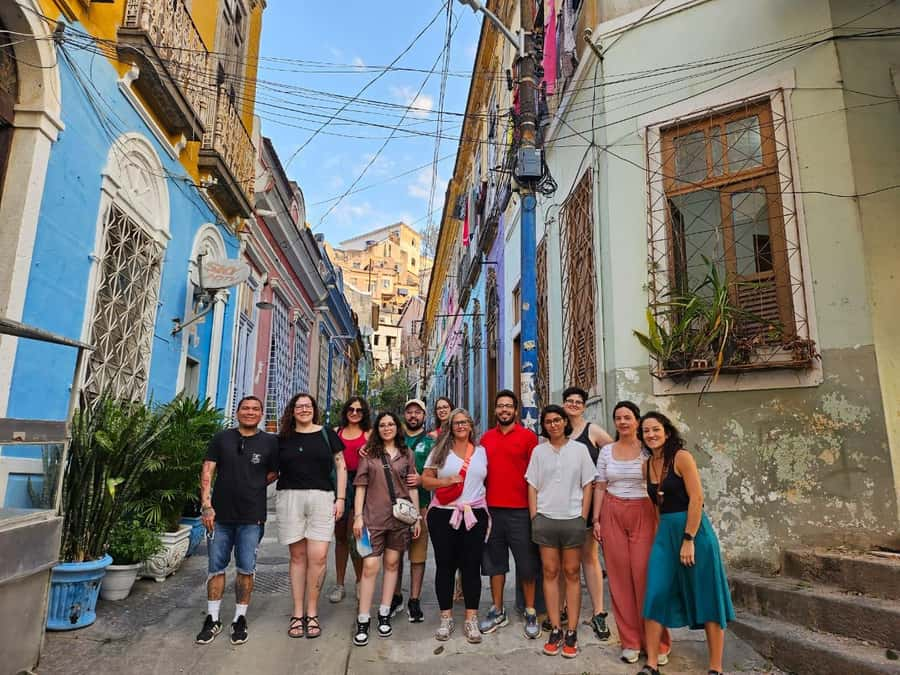
- Little Africa and Pedra do Sal anchor the tour in places tied to Black resistance and Afro-Brazilian culture.
- The abolition struggle is part of the story, giving you a fuller view of Rio than its familiar beaches and Carnival image.
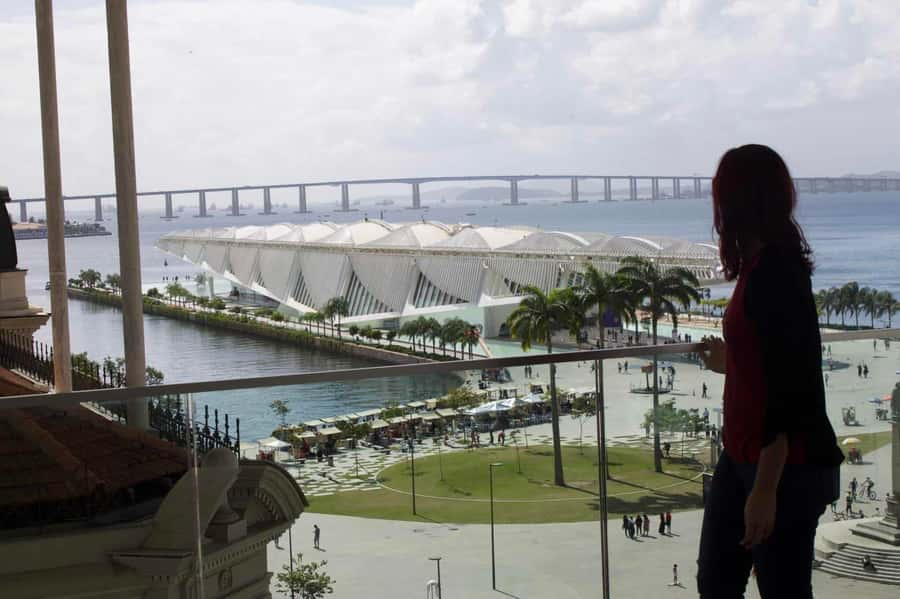
- A samba school’s workspace offers a look at the making of Carnival parade elements inside Cidade do Samba.
- A three-hour format gives you a focused cultural outing without taking up a full day.
- Guides lead in English, Spanish, or Portuguese, and past participants have appreciated clear explanations and open discussion.
- The price is $100 per person, with entrance to Cidade do Samba and the Carnaval Experience included; food and drinks are not.
A Walk Through Little Africa and Pedra do Sal
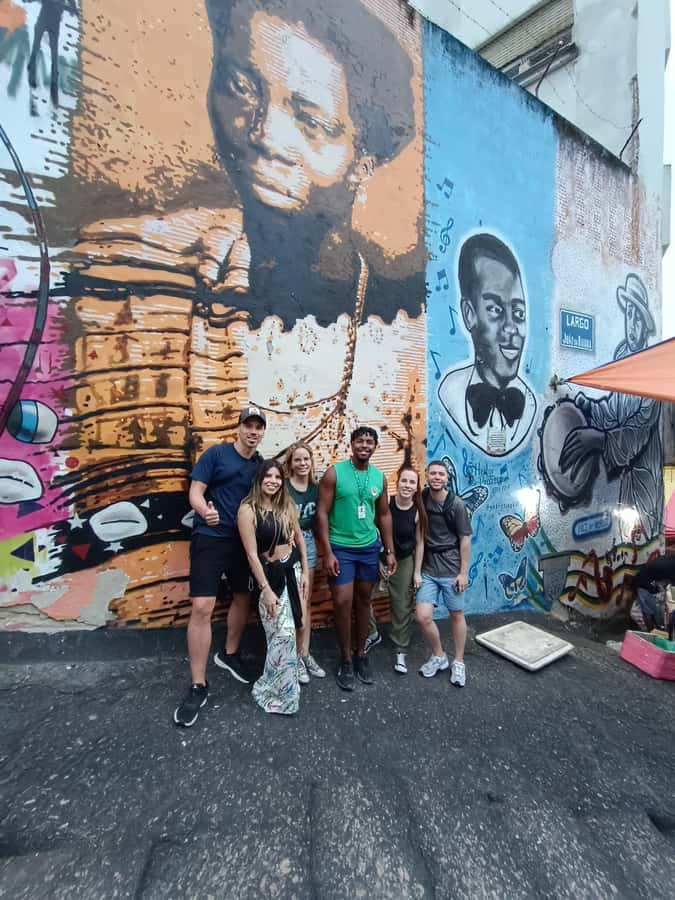
Rio’s best-known scenes are easy to picture: the beach, the mountain views, and Carnival. This tour shifts the focus to the city’s Black history and the communities that shaped its culture. You begin on foot in the Little Africa and Pedra do Sal region, where your guide introduces important places in the history of Black resistance.
The value here is not simply seeing a neighborhood. A guide helps explain why these places matter, how the struggle against slavery shaped Rio, and how Afro-Brazilian traditions remain part of the city today. That context can be hard to gather from a quick walk on your own, especially if you are new to Brazil’s history.
The tour description does not name every stop along the route, so I would not expect a fixed checklist of monuments or a detailed stop-by-stop itinerary. Instead, think of this as a guided introduction to a historic area, with the guide’s explanations shaping what you notice and how you understand it.
This subject deserves time and care. One participant appreciated being able to ask questions and discuss both similarities and differences between racial oppression in Brazil and the United States. That kind of conversation is a strong reason to choose a guided walk over a self-guided visit, particularly if you want more than a quick overview.
A guide named Rafael was praised for being attentive during one tour, while other participants described guides as clear, thoughtful, and willing to talk through questions. Guide assignments can vary, so treat Rafael’s name as a useful reference rather than a promise. The important point is that the quality of the experience depends in part on the guide’s ability to make a difficult history understandable without flattening it.
More walking tours around Rio de Janeiro:
- Rio de Janeiro: Rocinha Favela Walking Tour with Local Guide
★ 4.8 · 3,052 reviews - Rio De Janeiro: Half-Day Rocinha Favela Walking Tour
★ 4.7 · 2,272 reviews - Rio de Janeiro: Little Africa Heritage Walking Tour
★ 4.9 · 177 reviews
Why the History Matters Beyond the Tour
The walk connects sites associated with Black resistance to the larger story of abolition in Brazil. That makes this a useful choice if you want to understand Rio as a place shaped not only by Portuguese colonial rule and later tourism, but also by the lives, labor, and culture of Afro-Brazilians.
The subject is not treated as a closed chapter. The tour promises to consider Afro-Brazilian heritage in present-day Rio, which helps you see culture as something living rather than a museum display. You can ask how traditions have endured, changed, and found expression in music and Carnival.
The experience is also a chance to approach a complex topic with a local guide rather than relying on a handful of labels or a short online summary. The guide’s role is to provide context, answer questions, and help you understand the places you pass. If that kind of conversation matters to you, the walk may be the most valuable part of the outing.
At the same time, a three-hour tour can only introduce the subject. It cannot cover every part of Brazil’s history of slavery or the full range of Afro-Brazilian experience. I would treat it as a strong starting point, not a complete education, and use it to guide what you read or visit next.
From Street History to Cidade do Samba
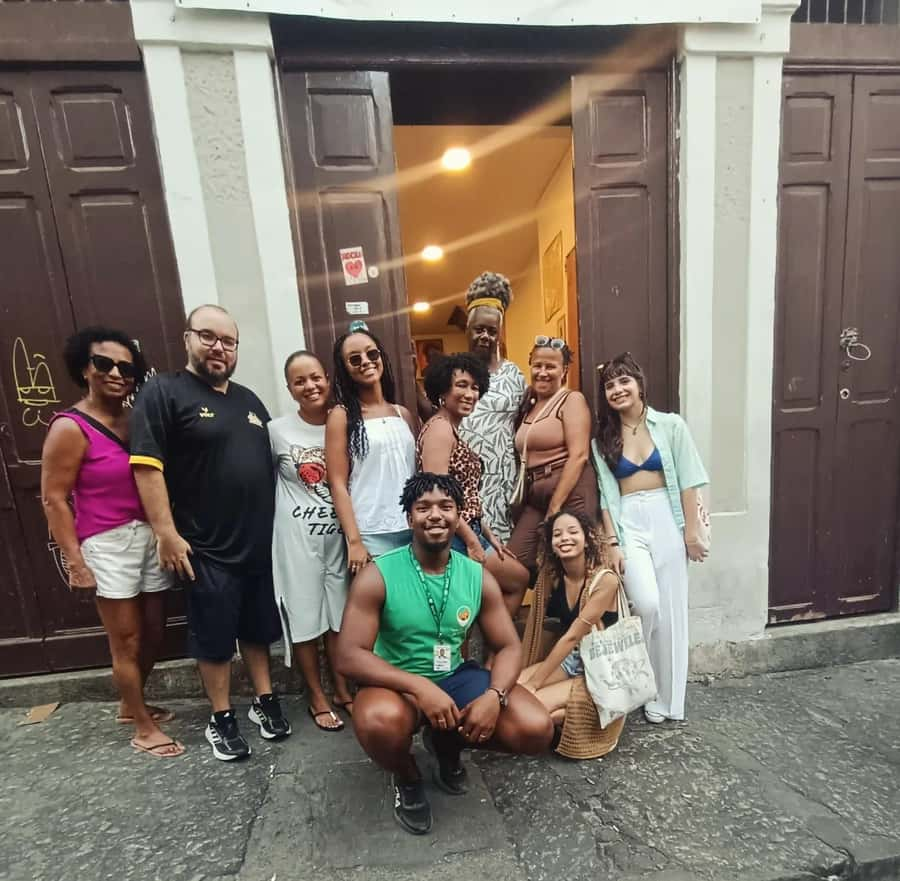
The tour concludes at Cidade do Samba, with entrance to the Carnaval Experience. Here, the focus shifts from historic neighborhoods to the samba school parades and the work behind Carnival. You get a behind-the-scenes visit to a samba school warehouse, where parade creations are made.
That change of scene is part of the appeal. The walk gives you historical and cultural context; the workshop visit shows one way that culture becomes a large-scale public event. Rather than seeing only the finished parade, you get a glimpse of the production side and the labor behind the spectacle.
The ending is likely to appeal most if Carnival is already on your wish list. A samba school’s workspace offers a different angle from watching a parade or seeing Carnival imagery in shops. It can help you understand that the event is built by organized groups and makers, not conjured up on parade night.
There is a trade-off. A production space is not the same as being in a neighborhood where traditions are lived day to day. One participant found the warehouse portion less authentic than the historical walk, even while finding the access impressive. I would see it as a useful bonus, especially for Carnival-curious visitors, rather than the tour’s most intimate or locally grounded stop.
Pace, Group Size, and Guide Style
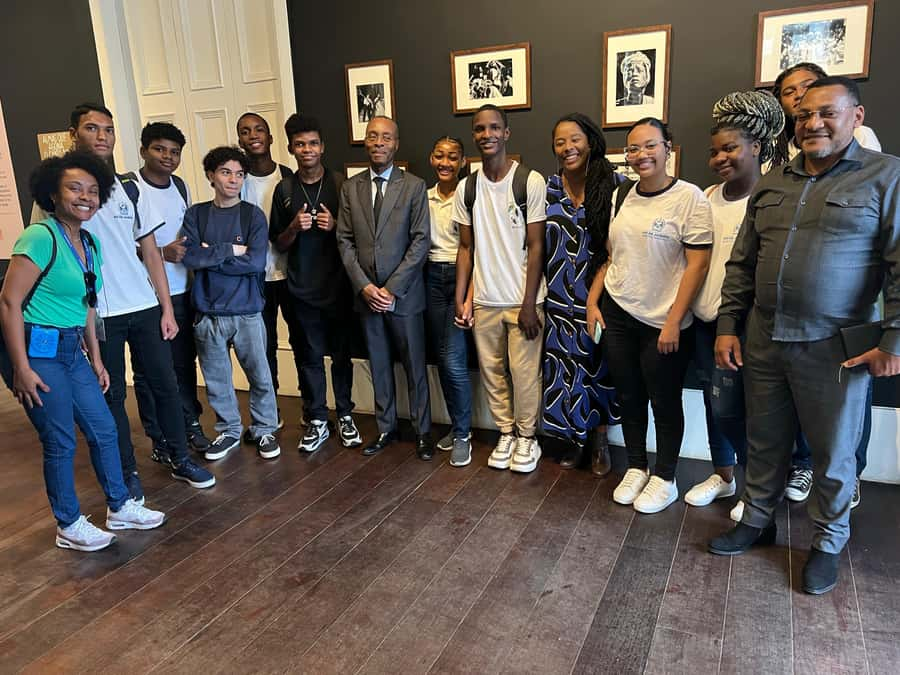
The stated duration is three hours, a manageable length for a cultural walk in a Rio itinerary. One participant noted that the route did not involve too much walking, though the tour is still a walking experience. If mobility or fatigue is a concern, check the route details with the operator before booking rather than assuming the pace will suit you.
The tour is described as a small-group experience with a maximum of 15 people, and the activity details also identify it as a private group. Those descriptions may depend on how your departure is arranged, so confirm the group setup when booking if privacy or group size is important to you.
Guides speak English, Spanish, and Portuguese. The strongest accounts of the guiding emphasize clear explanations, friendliness, and openness to questions. That matters on a tour where the subject is layered and where your own questions may shape how much you take away.
One participant also described a guide helping arrange an extra graffiti stop in connection with an Uber trip back to the hotel. That sounds like helpful flexibility, not a guaranteed itinerary feature. If you are interested in an additional stop or need help planning your return, ask your guide, but do not count on an unscheduled visit being included.
The activity is listed as wheelchair accessible. Since the tour includes walking through a neighborhood and the exact route details are not specified, contact the provider with any access needs so you can confirm what the route involves.
More trips and days out around Rio de Janeiro:
- Rio de Janeiro: 6-Stop Highlights of Rio with Lunch
★ 4.4 · 5,157 reviews - Christ the Redeemer Entry Ticket by Corcovado Train
★ 4.4 · 4,476 reviews - Rio de Janeiro: Sugarloaf Cable Car Official Ticket
★ 4.6 · 2,873 reviews - Rio: Christ the Redeemer, Sugarloaf, Selaron & BBQ Lunch
★ 4.5 · 2,428 reviews
Is $100 a Fair Price?
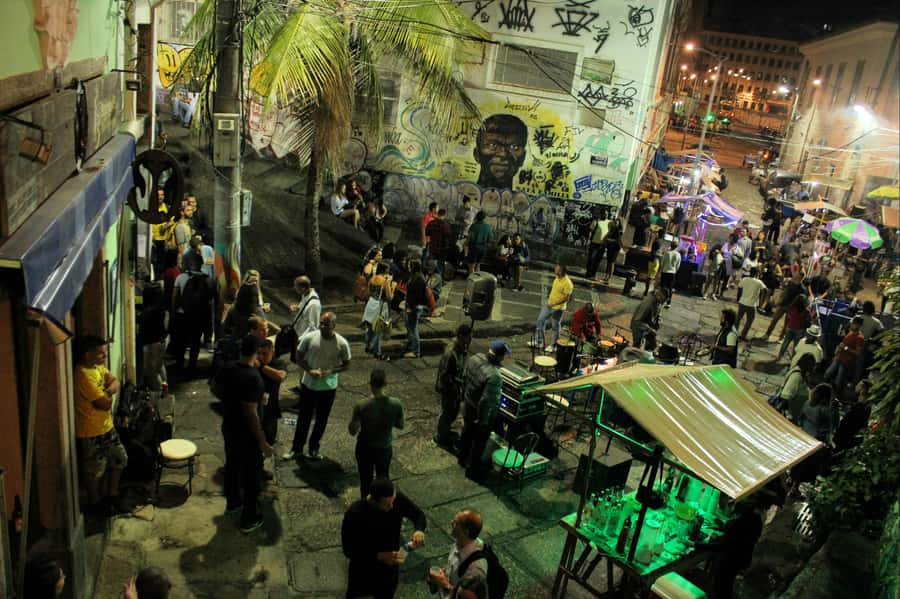
At $100 per person, this is not a budget walking tour. The value rests on the combination of a guided history walk, access to Cidade do Samba, and the Carnaval Experience, along with the guide’s ability to answer questions and connect the stops.
If you are mainly seeking a low-cost stroll through an interesting district, the price may feel high. If you want an organized introduction to Black resistance and Afro-Brazilian culture, plus access to a samba school’s Carnival workspace, the package offers more than a neighborhood walk alone. Entrance, taxes, fees, and handling charges are included; food and drinks are not.
I would judge the price by how much you value the guide-led historical context. The warehouse visit adds a distinctive finish, but the walk is the core for anyone most interested in Rio’s history. If Carnival production is your main draw, the included visit may make the cost easier to justify.
Practical Details Before You Go
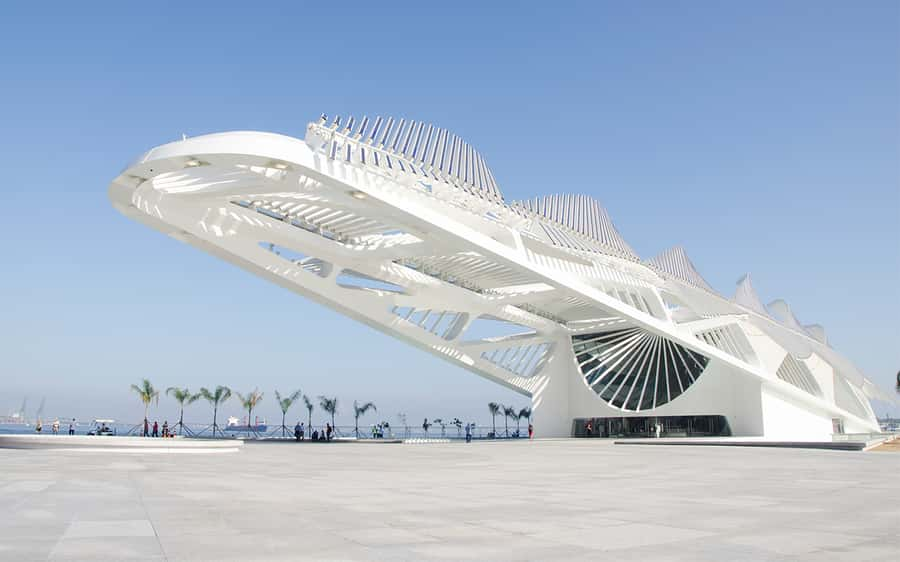
The tour lasts three hours, but starting times depend on availability. It is offered in English, Spanish, and Portuguese. Food and drinks are not included, so plan those separately.
You are asked to send your WhatsApp contact. The activity offers free cancellation up to 24 hours in advance for a full refund, and a reserve-now, pay-later option is available. These flexible terms can help if your Rio plans are still shifting.
The operator is Tour by Foot. Before booking, consider what you most want from the experience: a guided account of Black history and resistance, a close look at Afro-Brazilian culture, a Carnival workspace visit, or all three. The walking portion and warehouse ending work best as connected parts of the same story, even though they offer different kinds of access.
Should You Book This Rio Tour?

Book this if you want Rio’s cultural story to reach beyond the beach and parade route. The Little Africa and Pedra do Sal walk gives you a guided introduction to Black resistance, abolition, and Afro-Brazilian heritage, while Cidade do Samba adds a rare look at the work behind Carnival.
It is especially suited to curious visitors who like asking questions and want a guide to help make historical places meaningful. If you are short on time, the three-hour format is practical. If you want a deeply local neighborhood experience from beginning to end, keep in mind that the final warehouse visit is a different kind of stop.
At $100, I would choose it for the historical perspective and guide-led discussion, with the samba school visit as an appealing extra. If those are the parts of Rio you hope to understand, this tour earns a place on your shortlist.
FAQ
How long is the Rio African Culture Walking Tour?
The tour lasts three hours.
Which areas does the walking tour cover?
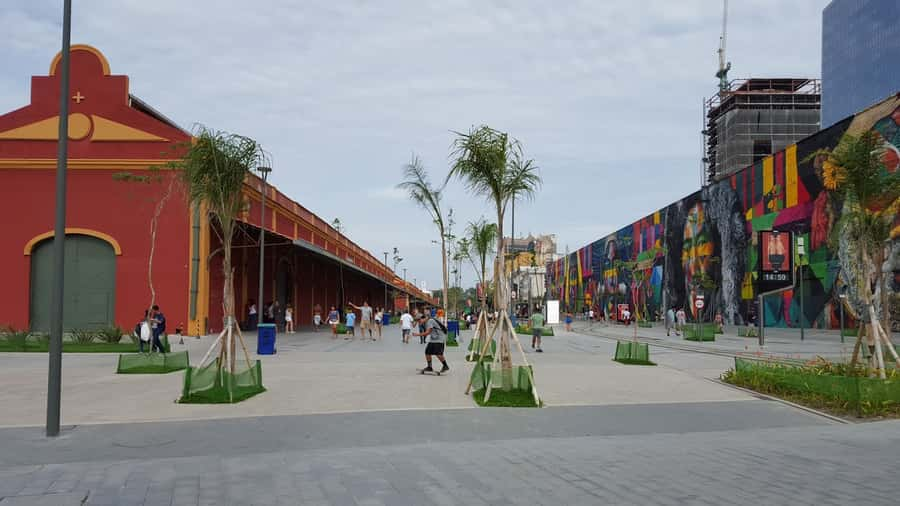
It includes a walking tour in the Little Africa and Pedra do Sal region.
What is included at the end of the tour?
The tour includes entrance to Cidade do Samba and the Carnaval Experience, with a behind-the-scenes visit to a Carnival samba school workspace.
What languages are available?
The live guide is available in English, Spanish, and Portuguese.
How many people can join?
The tour is described as a small group with a maximum of 15 people. The activity details also describe it as a private group, so confirm the arrangement when booking.
Is the tour wheelchair accessible?
Yes. The activity is listed as wheelchair accessible.
Are food and drinks included?
No. Food and drinks are not included.
What does the tour cost?
The stated price is $100 per person.
What contact information should I provide?
You are asked to send your WhatsApp contact.
Just added around Rio de Janeiro
- Paraty Historical City Walking Tour★ 4.1 · 8 reviews
- Rio de Janeiro: Zip Lining and Canopy Tree Tour★ 3.3 · 6 reviews
- Hang gliding flight in Rio de Janeiro★ 5.0 · 6 reviews
- Trindade Day Trip: Nature and Sea Adventure from Paraty★ 4.6 · 5 reviews
- Vidigal Favela Tour★ 4.4 · 26 reviews
- Rio Highlights: Christ, Sugarloaf, and More in a Private Tour★ 5.0 · 36 reviews
- Buzios: City Tour by Trolley with 12 Beaches and Pickup★ 4.5 · 4 reviews
- Rio de Janeiro: Attend a Vasco da Gama game with local guide★ 4.8 · 9 reviews
Rio Walking Tours, compared.



Sunrise and Sunrise Walk Two Brothers with Local Guide
Read our review →

Learn the History of Rio with an Unforgettable City Center Walking Tour
Read our review →
Rio’s city walking tour: a glimpse of history and olympic legacy
Read our review →
Walking tour of the bohemian neighborhoods of Santa Teresa and Lapa
Read our review →Browse the lists this tour appears in