
Reviewed · RIO WALKING TOURS
Little Africa – Walking tour from the passed to the future
Little Africa is a place where Rio’s past is not tucked behind a museum label. On this three-hour walk, you move through the area that received Africans brought to Brazil and learn how its streets and historic sites connect to Black history and culture today.
I like the tour’s focus on the people and places behind Brazil’s history, not just dates and monuments. I also like that it links the past with present-day art and culture, giving you a wider view of Little Africa than a quick pass through the neighborhood can offer.
One point needs care: the subject is painful, and the tour’s impact depends in part on clear communication with your guide. English-speaking participants have had very different experiences, so confirm your preferred language and be sure you understand the full price before booking.
- A three-hour walk from downtown Rio through the historic area known as Little Africa.
- A difficult history told on the ground, including the zone’s former slave market, homes, shops, and burial grounds.
- Guides in English, Portuguese, and Spanish, with guide quality and English clarity worth confirming.
- A split price: US$32 paid through the booking platform, plus R$160 per person paid to the guide. The stated total is R$310.
- A reflective cultural outing, with attention to Black heritage, art, culture, and the future.
- At least two customers are required, so solo visitors should contact the operator before reserving.
Following Little Africa’s history through Rio
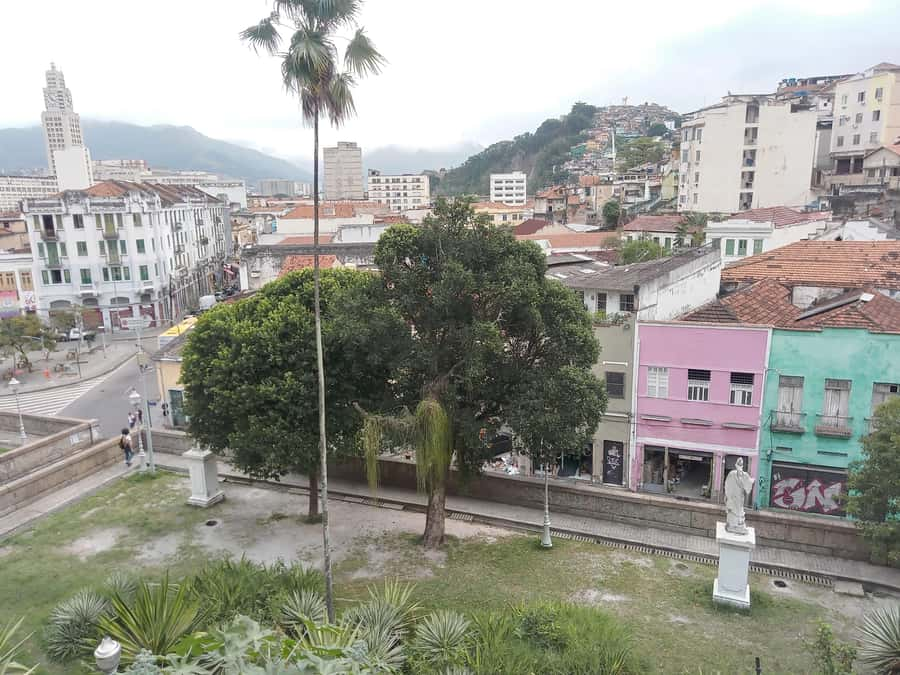
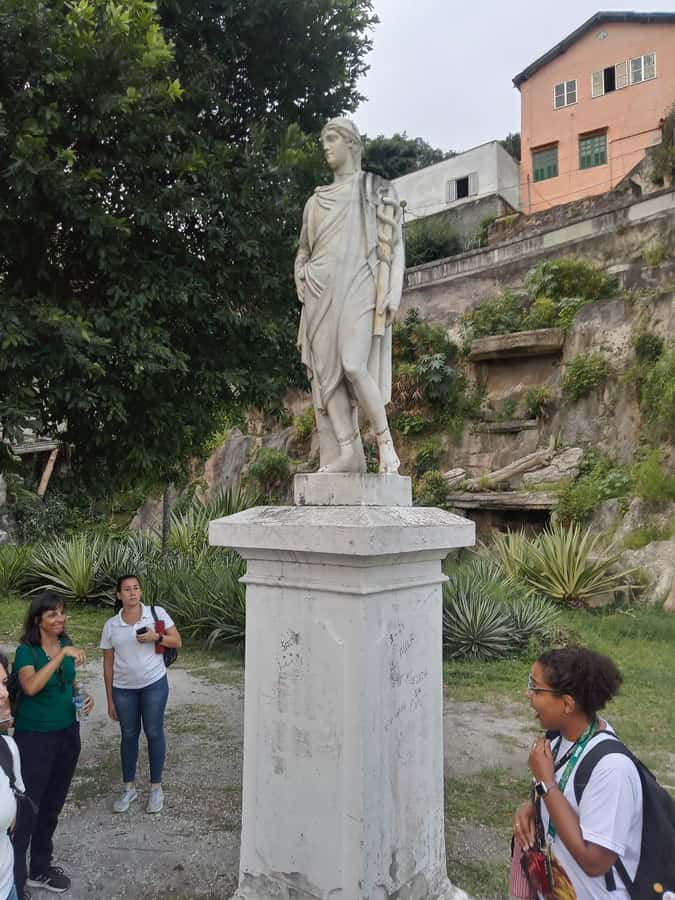
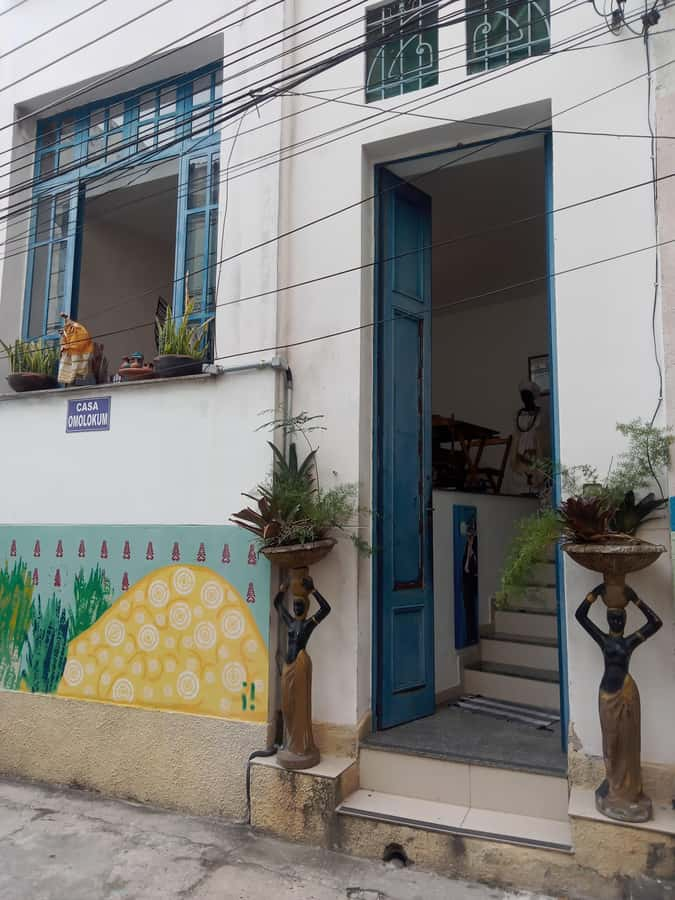
Little Africa is not simply a name for an old district. It refers to an area of Rio de Janeiro tied to the arrival and forced enslavement of people from the African continent. The tour asks you to read the place itself: its alleys, historic sites, and remnants of a chapter that shaped Brazil.
That approach matters. A guide can explain how a neighborhood functioned, point out what remains, and connect individual sites to a broader story. You are not only hearing about the past in the abstract. You are walking through an area that once held a slave market, shops, houses, and burial grounds.
The account may be emotionally difficult. The tour description warns that many people feel moved by the experience, and that is a reasonable expectation for a walk dealing with enslavement and its legacy. Go ready to listen, take time with the subject, and treat the sites with respect.
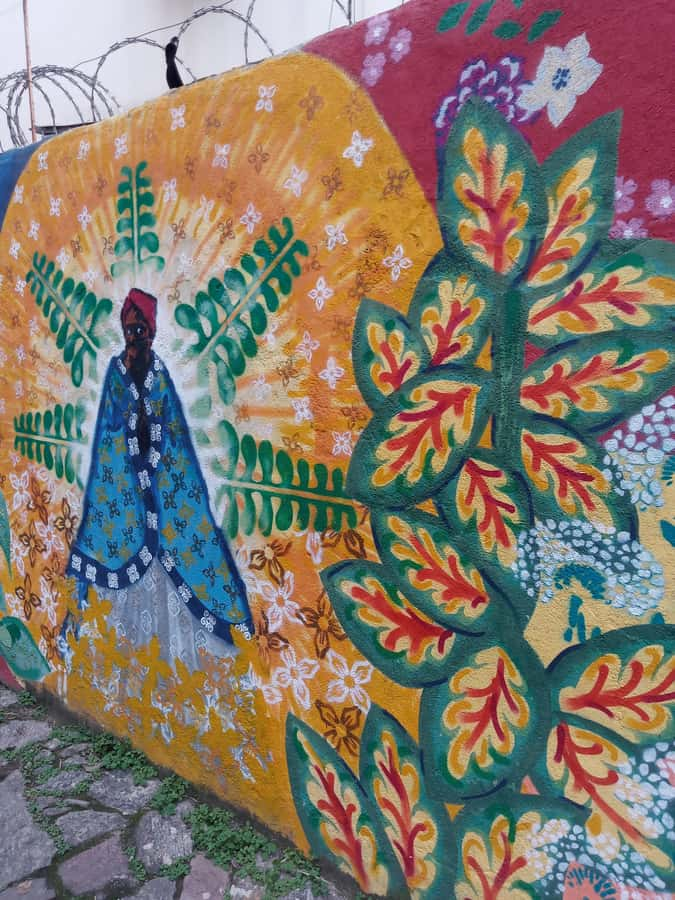
The tour’s framing also looks beyond tragedy. Its stated themes include Black heritage, art, culture, and the future. That balance can help you understand Little Africa as a place with a continuing cultural life, not only as a record of violence.
Reading the streets and historic sites

The route is described as a walk through alleys and historical places, with the guide’s explanations shaping what you see. The exact stop-by-stop sequence is not specified, so I would not book expecting a fixed list of named landmarks. The value here lies in the guide’s account of the area and the connections drawn between sites.
The former open-air slave market is a central part of the neighborhood’s story. It gives the tour a stark focal point for understanding how people were brought into Rio and treated as property. You may find that the physical remains are less dramatic than the history attached to them. That is precisely where a strong guide matters: context can make a modest-looking site speak clearly.
The area’s former houses and stores add another layer. They help place the history within an urban neighborhood rather than separating it into a single memorial. A guide can show how ordinary spaces were woven into a system of exploitation and how the district’s later life has unfolded around that past.
Burial grounds are also part of the area described for the walk. These sites bring attention to the human cost of the history, and they call for a thoughtful pace. This is not the sort of outing where you should expect light sightseeing or a string of photo stops. Listen first; take pictures only when appropriate.
More walking tours around Rio de Janeiro:
- Rio de Janeiro: Rocinha Favela Walking Tour with Local Guide
★ 4.8 · 3,052 reviews - Rio De Janeiro: Half-Day Rocinha Favela Walking Tour
★ 4.7 · 2,272 reviews - Rio de Janeiro: Little Africa Heritage Walking Tour
★ 4.9 · 177 reviews
Why the guide makes such a difference
A walking tour of this subject depends heavily on the guide’s command of the material and ability to explain it in your language. Past guides named for the experience include Larissa, Gabriela, Luana, Rafael, and Danielo. Those names are useful context, but they do not guarantee who will lead your departure.
Several participants have described guides as passionate, thoughtful, and able to make the history vivid. Larissa was praised for her enthusiasm and storytelling, while Gabriela and Luana were noted for being personable and considerate. Rafael was also singled out for accommodating a schedule change after a delayed flight. These details suggest that the best version of the tour is not a lecture delivered while walking, but a guided conversation that helps you picture the lives behind the sites.
There is an important counterpoint. English-speaking participants have also struggled to understand a guide whose English was not clear enough for the group. That is a real concern on a tour where the explanation carries much of the value. If you are booking in English, consider asking the operator to confirm the guide’s language ability for your date rather than relying only on the language options shown.
The experience is offered in English, Portuguese, and Spanish. If you speak more than one of these, choose the language in which you can best follow complex historical explanations. A language match is not a small convenience here; it can make the difference between a meaningful account and a walk where important details slip past.
A serious tour, not a casual neighborhood stroll
The three-hour duration gives the guide time to explain the places you encounter and connect them to wider Brazilian history. It is long enough to feel like a substantial part of a day, but still manageable if you are planning other sightseeing around it. The route is on foot, and transportation is not included.
The subject matter sets the tone. You will hear about enslavement and its effects, and the sites may prompt strong emotions. That makes this a good choice if you want historical depth and are willing to give the topic your attention. It is less suited to someone looking for a breezy introduction to Rio or entertainment without difficult material.
The walk also aims to connect historic memory with culture and the future. That wider view is valuable because it avoids treating Black history as something that ended in the past. Still, the precise art stops or future-focused discussions are not outlined in detail, so ask the operator what the route includes if a specific museum or exhibit is important to you.
One participant was surprised by an extra museum admission cost, and another hoped to see an art museum exhibit that was not part of the tour. Those experiences are a useful reminder: museum entry and special exhibitions are not listed as included. Ask whether any planned stop has a separate admission fee, and do not assume that a nearby exhibit will be part of the walk.
What the price includes, and what to confirm

The advertised reservation payment is US$32 per person through the booking platform. A further R$160 per person is paid directly to the guide, and the stated total is R$310 per passenger. Since the booking portion is in US dollars and the guide payment is in Brazilian reais, check the final amount with the operator before you commit, especially if exchange rates or card fees affect your budget.
Credit and debit card payments are accepted for the additional amount, with a stated 5% tax. Food, drinks, transportation, and souvenirs are not included. The tour does include guide service and online service, so the main value is the interpretation and the time spent walking the historic area.
For a three-hour guided experience, that price may be worthwhile if you want a focused introduction to Black history in Rio and a guide who can explain the places you pass. It is less compelling if you expect transport, meals, museum admission, or a guaranteed visit to a particular exhibition. Those extras are not part of the stated inclusions.
There are two age-price descriptions to clarify. Children aged five to ten are listed for a 50% discount, while the payment details say children aged three to ten pay half price. Children aged zero to four are described as free when seated on a parent’s lap. Because the age ranges do not match, confirm the child rate directly before booking.
More trips and days out around Rio de Janeiro:
- Rio de Janeiro: 6-Stop Highlights of Rio with Lunch
★ 4.4 · 5,157 reviews - Christ the Redeemer Entry Ticket by Corcovado Train
★ 4.4 · 4,476 reviews - Rio de Janeiro: Sugarloaf Cable Car Official Ticket
★ 4.6 · 2,873 reviews - Rio: Christ the Redeemer, Sugarloaf, Selaron & BBQ Lunch
★ 4.5 · 2,428 reviews
Who will get the most from this walk
I would choose this tour if you want to understand Rio beyond its best-known views and are interested in how African heritage shaped Brazil. It is especially useful early in a visit, when a guide’s account can give you context for later museum visits and time spent in the city.
It also suits people who prefer place-based learning. You walk through the area rather than receiving the story only indoors, and the route encourages you to pay attention to streets and sites that might otherwise seem easy to pass by. The experience is not described as physically demanding, but it is a three-hour walk, so plan for time on your feet.
Families can consider it, but the subject is serious and may require a conversation with children beforehand. The listed child discounts make it possible to bring younger family members, though the age discrepancy should be sorted out first. Very young children are described as free on a parent’s lap.
If you are travelling alone, contact the operator before reserving. The stated minimum is two customers, so a departure may not run with just one person. The operator may be able to advise on another date or arrange a solution, but do not assume a solo booking is confirmed without checking.
Practical details before you reserve
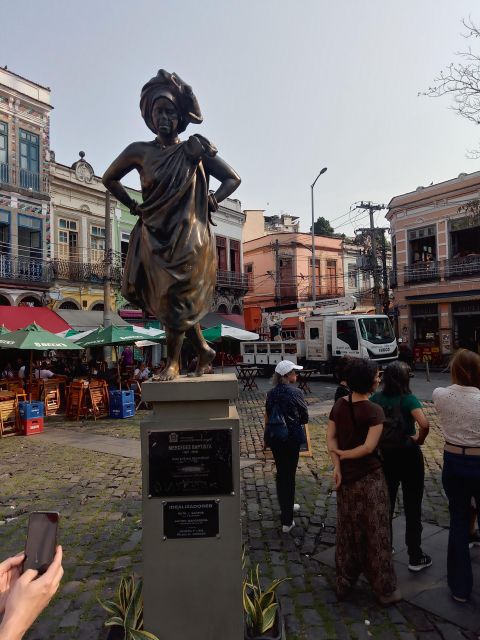
The meeting point is in downtown Rio de Janeiro. The exact meeting instructions and start times depend on availability, so check them for your chosen date. Transportation to the meeting point is not included.
Bring your ID or a copy, as identification is mandatory. Booking can be made with the option to reserve now and pay later, and cancellation is allowed up to 24 hours in advance for a full refund. These flexible terms are helpful, but they do not replace confirming the split payment and any possible admission charges.
Because the experience relies on careful explanation, I would send the operator two questions before booking: which language the guide will use, and whether any site on the route requires an additional entry payment. Those quick checks can prevent the two main surprises this walk presents: an unclear language match and an unexpected museum cost.
Should you book the Little Africa walk?

Book it if you want a thoughtful, guided account of Black history in Rio and are comfortable spending three hours with difficult subject matter. Its strongest feature is the chance to connect historic sites with the people and events they represent, while considering the culture that continues in the area.
Pause before booking if you need guaranteed museum access, included transportation, or a specific exhibit. Confirm the English level if that is your tour language, ask about the complete cost and child pricing, and check that a minimum of two people will attend. With those details settled, this can be a meaningful way to understand a part of Rio that deserves more than a passing glance.
FAQ
How long is the Little Africa walking tour?
The tour lasts three hours.
Where does the tour meet?
The meeting point is in downtown Rio de Janeiro.
Which languages are offered?
The tour is offered in English, Portuguese, and Spanish.
What is included in the price?
Guide service and online service are included. Food, beverages, transportation, and souvenirs are not included.
What is the total price per person?
The stated total is R$310 per passenger. The payment is split between US$32 paid through the booking platform and R$160 paid directly to the guide.
Is there a minimum group size?
Yes. At least two customers are required. If you are travelling alone, contact the operator before booking.
Are there discounts for children?
Children aged five to ten are listed for a 50% discount, while the payment details give a half-price range of ages three to ten. Children aged zero to four are described as free on a parent’s lap. Confirm the applicable age range with the operator.
Can I cancel for a refund?
Yes. You can cancel up to 24 hours in advance for a full refund.
Just added around Rio de Janeiro
- Paraty Historical City Walking Tour★ 4.1 · 8 reviews
- Rio de Janeiro: Zip Lining and Canopy Tree Tour★ 3.3 · 6 reviews
- Hang gliding flight in Rio de Janeiro★ 5.0 · 6 reviews
- Vidigal Favela Tour★ 4.4 · 26 reviews
- Trindade Day Trip: Nature and Sea Adventure from Paraty★ 4.6 · 5 reviews
- Rio Highlights: Christ, Sugarloaf, and More in a Private Tour★ 5.0 · 36 reviews
- Buzios: City Tour by Trolley with 12 Beaches and Pickup★ 4.5 · 4 reviews
- Rio de Janeiro: Attend a Vasco da Gama game with local guide★ 4.8 · 9 reviews
Rio Walking Tours, compared.



Sunrise and Sunrise Walk Two Brothers with Local Guide
Read our review →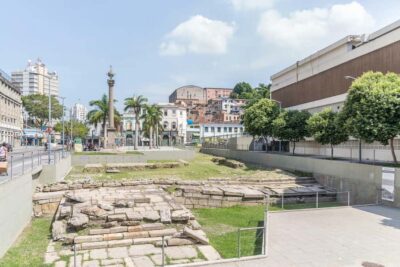

Learn the History of Rio with an Unforgettable City Center Walking Tour
Read our review →
Rio’s city walking tour: a glimpse of history and olympic legacy
Read our review →
Walking tour of the bohemian neighborhoods of Santa Teresa and Lapa
Read our review →Browse the lists this tour appears in