

Reviewed · SUGARLOAF MOUNTAIN TOURS
Rio de Janeiro: Sugarloaf Mountain Hike and Climb
Sugarloaf Mountain looks like a cable-car ride from below, but this four-hour outing takes you up on foot, over rocky trail and a 20-meter climbing wall. You reach the summit with a view of Rio earned step by step, then descend by cable car toward Urca Hill.
I like two things in particular: the route gives you changing views of the bay, Niterói, and Rio’s beaches, and the climbing is guided with certified equipment, so you can try a new skill without arriving as an experienced climber. The trade-off is real: steep, scrambly ground makes this a more demanding outing than a casual walk.
Key points to know before you go
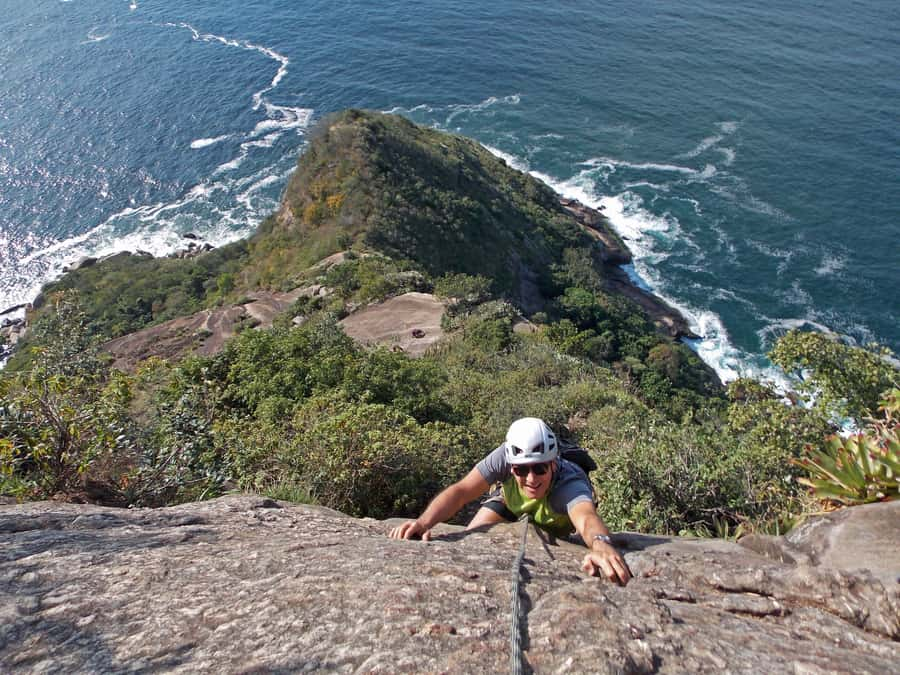
- The first viewpoint comes quickly: From Pista Claudio Coutinho, the initial walk takes about 20 minutes to a lookout over Guanabara Bay and Niterói.
- The trail gets more technical: Stone ramps and scrambling lead to belvederes before the 20-meter vertical climbing section.
- Pedra Filosofal is a standout viewpoint: Look for Copacabana Beach, Pedra da Gávea, and Morro Dois Irmãos.
- The summit is reached on foot: The planned return is by cable car down to Urca Hill.
- Guides help with both climbing and context: Past guides have included Sergio, Didi, Thomas, Tommy, and Eduardo, with trip accounts noting help on handholds as well as local history and nature.
- Come prepared to work: Wear grippy shoes, bring water and a small daypack, and be ready for a steep hike with scrambling.
Sugarloaf on foot, not just by cable car

Pão de Açúcar, Sugarloaf Mountain, is one of Rio’s defining landmarks. Most people see it from the city or ride the cable car. This guided hike offers a different approach: you follow the historic walking route associated with the first person to walk up the mountain in 1817, then reach the summit under your own steam.
That distinction matters. You don’t simply arrive at a famous viewpoint; you watch the city open up as you gain height. The route begins near the water and moves through forest, over rock, and toward broad views of the bay and beaches. A guide leads the way and provides climbing equipment for the vertical section.
The tour costs $68 per person and lasts about four hours. It is a substantial half-day outing, not a quick add-on between sightseeing stops. For that price, you get a bilingual guide, a guided hike and climb, certified climbing gear, personal accident insurance, and taxes and fees. Hotel transport is available only if you choose the pickup option. The cable-car descent is part of the described route, but the supplied details do not say whether its fare is included, so confirm that point before booking.
More Sugarloaf tours around Rio de Janeiro:
- Rio de Janeiro: Sugarloaf Cable Car Official Ticket
★ 4.6 · 2,873 reviews - Rio: Christ the Redeemer, Sugarloaf, Selaron & BBQ Lunch
★ 4.5 · 2,428 reviews - Rio de Janeiro: Christ the Redeemer and Sugarloaf Tour with…
★ 4.6 · 499 reviews
From Pista Claudio Coutinho to the first lookout
The meeting point is Praça General Tibúrcio, 75, near the obelisk in Urca. If you arrange pickup, service covers most hotels in Rio’s South Zone and Downtown. The route is set day by day, and if your hotel is outside the pickup area, you’ll be directed to a nearby collection point. Barra da Tijuca, Recreio, São Conrado, and Santa Teresa are not eligible for hotel pickup.
The hike starts at Pista Claudio Coutinho, a path at the foot of Sugarloaf. The first stretch leads to a lookout in about 20 minutes. From there, you can see the entrance to Guanabara Bay and the city of Niterói across the water. It is a useful early reward, and a chance to catch your breath before the more demanding section.
The quick arrival at a viewpoint also gives you a sense of the route’s rhythm. This is not a long slog with nothing to see until the top. The views change as you climb, with several belvederes along the way. Take your time with photos, but remember that the route continues over uneven ground.
Stone ramps, scrambling, and the climbing wall
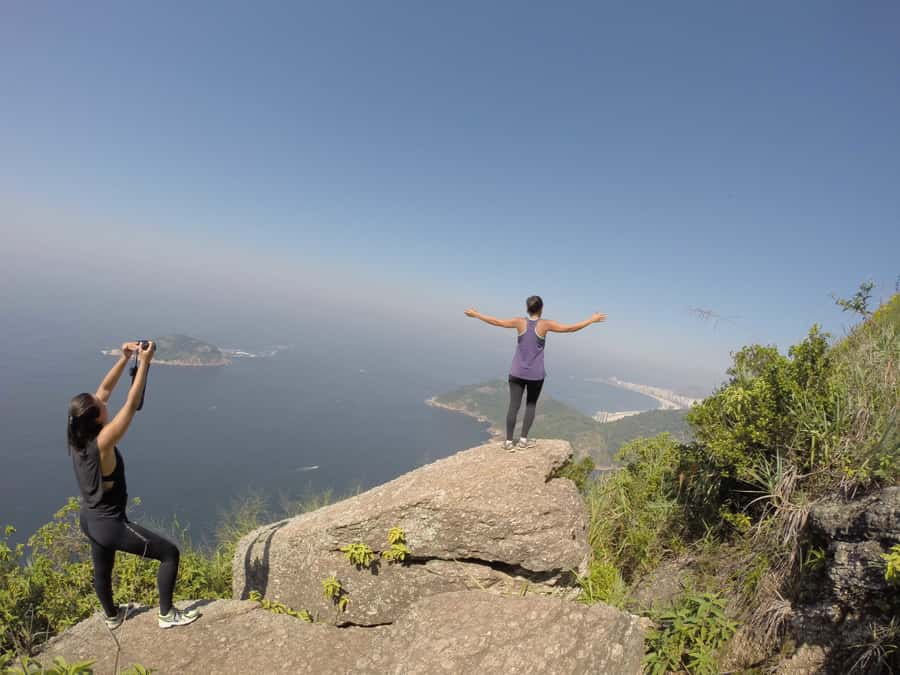
After the first lookout, the terrain becomes more technical. Expect stone ramps and scrambling, not a smooth paved trail. This is where a guide’s support makes a practical difference: climbers new to rock work have been helped to find handholds and footholds, and guides can set a pace that works for the group.
The main climbing challenge is a vertical wall about 20 meters high. You wear certified climbing equipment and receive a basic introduction before tackling it. You do not need prior climbing experience, but you should be comfortable with the idea of being on a rock face and following instructions. Some people find the climb fun and manageable; the hiking and scrambling can be the harder part overall.
There are differing ways to describe the physical effort. One regular hiker rated the route advanced, noting steep ground and plenty of scrambling, while another found it manageable with average fitness. The sensible takeaway is that the outing is short but not easy. You should be able to hike uphill on uneven ground, and it is not a good choice if you have a heart condition or another serious medical concern.
If you are nervous about heights, take that seriously. The tour is not described as suitable for people with heart problems, and a guide can support you through the climb, but the route still involves a tall vertical wall. Ask the operator about your comfort level before booking rather than assuming the equipment will make the exposure disappear.
Pedra Filosofal and the view across Rio

One of the route’s major lookouts is Pedra Filosofal. From here, the panorama includes Copacabana Beach, Pedra da Gávea, and Morro Dois Irmãos. These are not just far-off shapes: the viewpoint helps you read Rio’s geography, with its beaches, peaks, and dense urban stretches gathered into one view.
I like that this vista arrives before the summit rather than being saved for a single final reveal. You get a series of changing perspectives as you climb, and the guide can point out features that might otherwise blur together from above. Past guides have also shared information about Rio’s history, the local outdoor scene, and the area’s flora and animals.
Keep an eye out for monkeys along the trail. They are wild animals, so seeing one is a possibility, not a promise, and it is best to observe without approaching or feeding them. The chance to encounter wildlife adds another dimension to the hike, but the views and the route itself remain the surest reasons to go.
More hikes around Rio de Janeiro:
- Rio: Tijuca Forest Small Group Hike to Caves and Waterfalls
★ 4.9 · 536 reviews - Pedra do Telégrafo Hike and Beach Full-Day Tour
★ 4.5 · 417 reviews - Rio de Janeiro: Pedra da Gávea 7-Hour Hike
★ 4.7 · 183 reviews - Rio de Janeiro: Tijuca Forest Challenge Hike Full-Day Trip
★ 4.9 · 163 reviews
Reaching the summit and returning by cable car
The route continues from Pedra Filosofal to Sugarloaf’s summit. Getting there on foot is the point of the tour: you have climbed through the terrain rather than taking the cable car up. At the top, you can take in the wider panorama before the return journey.
The descent is by cable car down to Urca Hill. That offers a welcome change of pace after the uphill hike and climbing. One account also describes an easy walk from Urca afterward and a beach stop, but that should not be treated as part of the booked tour unless your operator confirms it. The stated activity ends with the cable-car descent.
The full activity is listed as four hours. A hiker who timed the uphill portion described reaching the top in about two and a half to three hours, which gives you a useful sense of how much of the outing is spent on the ascent. Actual timing and the order of stops can change with weather or other adverse conditions.
Guides, group size, and the feel of the outing
The tour is offered in English, Spanish, and Portuguese, with private or small-group options available. A smaller group can make it easier to ask questions, hear instructions, and move at a shared pace, though the exact group size is not specified.
Guide quality is a central part of this experience because the outing combines trail navigation, climbing instruction, and local interpretation. Guides named on past trips include Sergio, Didi, Thomas, Tommy, and Eduardo. Their roles have included helping climbers identify holds, adjusting the pace, and explaining Rio’s history, local plants, and animals. You cannot count on a particular guide being assigned, but you can expect the guide to be important to both your safety and enjoyment.
The most useful quality to look for is not a showy climbing performance. It is calm, clear instruction and a pace that lets you manage the steep sections without feeling rushed. If you have no climbing background, say so before the climb begins. Past participants with no prior experience have completed the route with guide support, but your own comfort and fitness still matter.
What to bring, wear, and check
Good footwear is essential. Wear comfortable shoes with a firm grip; sandals and flip-flops are not allowed. The trail includes steep, rocky sections, so a secure sole is more useful than a lightweight shoe chosen for city walking.
Bring a daypack, water, a light snack, and sunscreen. The guidance recommends three liters of water, a sensible amount to take seriously for a hike and climb in Rio’s heat. Pack only what you need: luggage and large bags are not permitted. Pets are not allowed either.
The itinerary can shift because of weather or adverse conditions. That matters on a mountain route where both the trail and climbing section depend on conditions. Check messages from the operator and stay flexible about the order of stops. Confirmation is received at booking, and pickup details, if selected, depend on the daily route.
Is $68 good value?
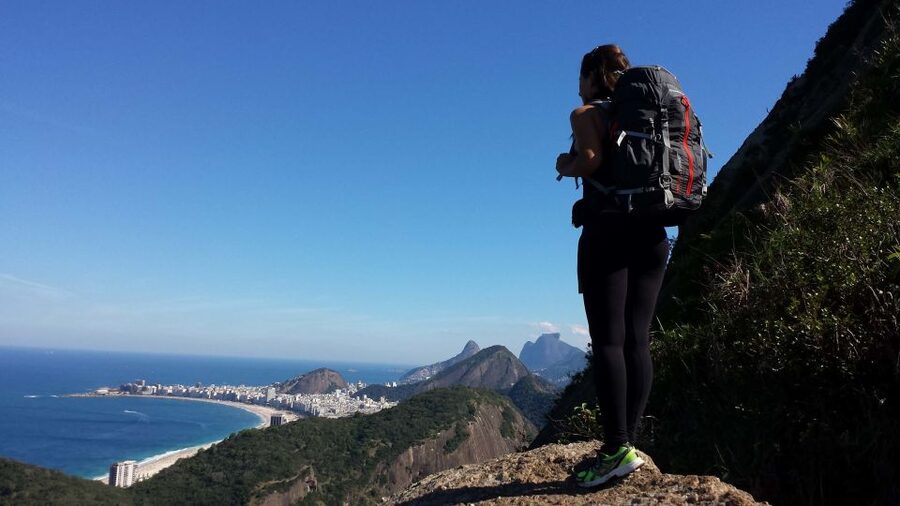
At $68 per person, this is more than a guided walk to a viewpoint. The price covers the guide, climbing equipment, personal accident insurance, and taxes and fees. You also get the chance to reach Sugarloaf by the historic walking route, rather than simply taking the cable car up. For someone who wants active sightseeing and is willing to work for the view, that is a strong use of a half-day.
The value depends on your plans and comfort with the effort. If you want a relaxed ride and panoramic photos, the cable car alone may be a better fit. If you like hiking, want to try basic climbing, and value having a guide manage the technical sections, the guided outing offers more variety and a closer look at the mountain.
Remember to check whether the cable-car fare is included, since that detail is not clear in the activity information. Also compare the pickup option with getting to the Urca meeting point yourself. The tour’s flexible booking terms allow you to reserve without paying immediately and cancel up to 24 hours ahead for a full refund, which can help when weather may affect plans.
Should you book this Sugarloaf hike?
Book it if you are reasonably active, curious about climbing, and want a more involved way to see Rio. The combination of an early lookout, rocky trail, guided wall climb, and summit makes this a memorable alternative to a cable-car-only visit. It is especially appealing if the idea of earning those views sounds better than arriving by ride.
Skip it if you are looking for an easy walk, have heart problems, or feel strongly uneasy about heights. The route is not especially long, but the steep scrambling and vertical wall make it a serious outdoor activity. Bring good shoes, enough water, and a willingness to follow your guide’s instructions, and you’ll be set up for a rewarding half-day.
FAQ
How long does the Sugarloaf hike and climb take?
The activity is listed as four hours. One account puts the climb to the summit at about two and a half to three hours, followed by the cable-car descent.
Do I need previous rock-climbing experience?
No prior climbing experience is stated as a requirement. The tour includes a basic introduction and certified climbing equipment, but you should be comfortable trying a vertical climb.
How physically difficult is the route?
Expect a steep hike with scrambling over rocky sections. The route may feel advanced to regular hikers, so it is better suited to people with reasonable fitness than to anyone seeking a gentle walk.
What should I bring?
Bring water, a daypack, a light snack, and sunscreen. Three liters of water are recommended. Wear comfortable footwear with good grip.
What languages do the guides speak?
Guides are available in English, Spanish, and Portuguese.
Is hotel pickup included?
Pickup is optional and available from most hotels in the South Zone and Downtown Rio if you book the transport option. Hotels in Barra da Tijuca, Recreio, São Conrado, and Santa Teresa are not eligible.
Can I cancel if my plans change?
You can cancel up to 24 hours in advance for a full refund. The activity also offers a reserve-now, pay-later option.
Just added around Rio de Janeiro
- Paraty Historical City Walking Tour★ 4.1 · 8 reviews
- Rio de Janeiro: Zip Lining and Canopy Tree Tour★ 3.3 · 6 reviews
- Hang gliding flight in Rio de Janeiro★ 5.0 · 6 reviews
- Trindade Day Trip: Nature and Sea Adventure from Paraty★ 4.6 · 5 reviews
- Vidigal Favela Tour★ 4.4 · 26 reviews
- Rio de Janeiro: Attend a Vasco da Gama game with local guide★ 4.8 · 9 reviews
- Rio Highlights: Christ, Sugarloaf, and More in a Private Tour★ 5.0 · 36 reviews
- Buzios: City Tour by Trolley with 12 Beaches and Pickup★ 4.5 · 4 reviews
Sugarloaf Mountain Tours, compared.

Christ the Redeemer, Sugarloaf, Selaron & BBQ Lunch
Read our review →
Skip the Line to Christ Redeemer, Sugar Loaf and Barbecue Lunch
Read our review →

5-hour Christ the Redeemer and Sugarloaf Express Tour
Read our review →
Christ the Redeemer Early Access and Sugarloaf
Read our review →
Two of Rio’s Best: Christ the Redeemer & Sugarloaf Mountain Half-Day Tour
Read our review →
Sugarloaf Cable Car and Corcovado Train Tickets
Read our review →Browse the lists this tour appears in