
Reviewed · RIO MUSEUM TOURS
Rio de Janeiro: Flamengo Museum Ticket Entrance
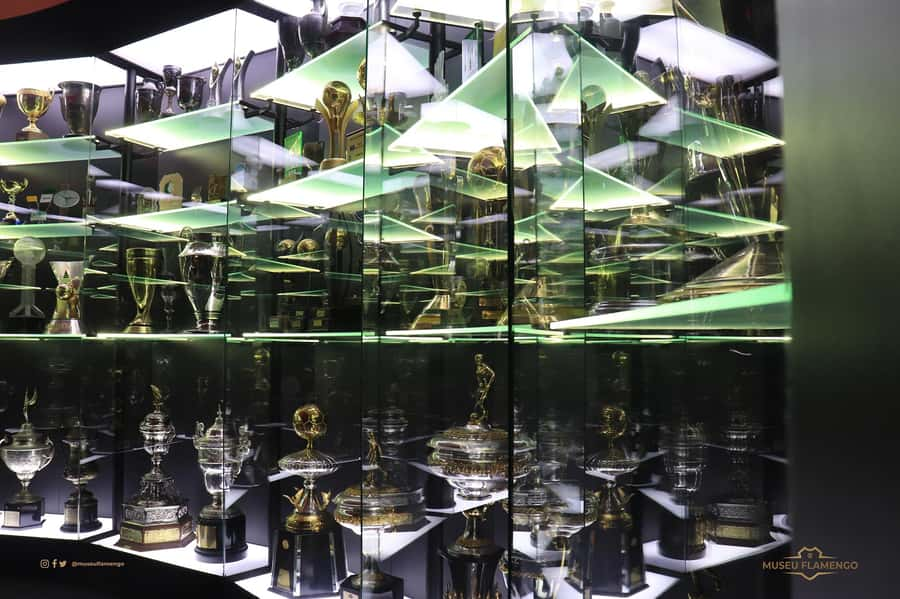
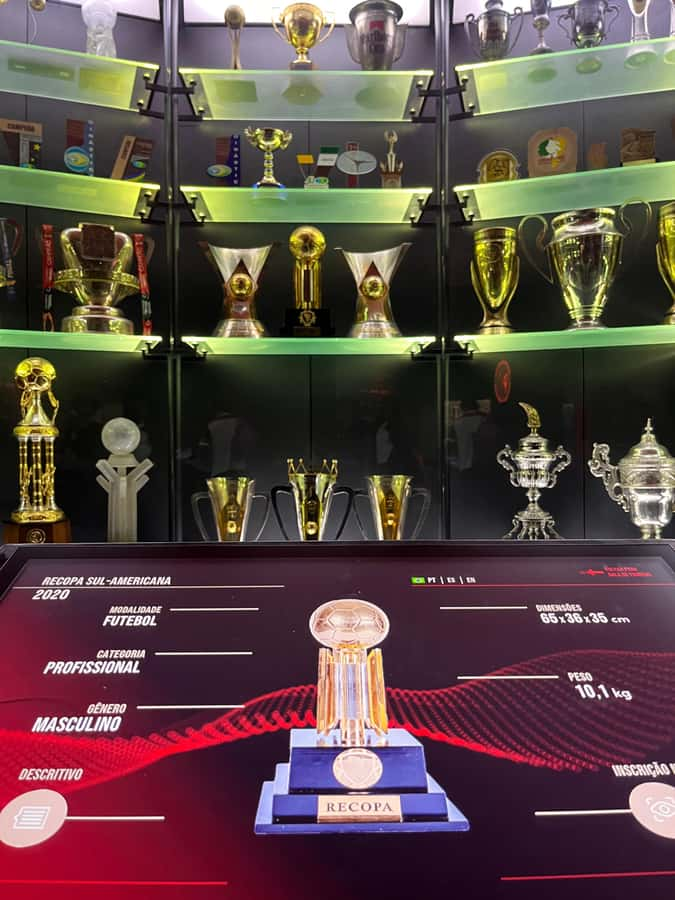
Flamengo’s story starts on the water, not the football pitch. At its museum in Gávea, you can follow the club from its 1895 beginnings as a rowing and sailing club through its rise as one of Brazil’s best-known sports institutions. I like the four-floor trophy room, which gives the collection a sense of scale, and the 14 themed sections, which use screens and interactive displays to bring key moments closer. One consideration: this is a museum ticket, not a tour of the Gávea headquarters.
I also like that the digital guide is available in English, Spanish and Portuguese, so you can explore with useful context even if you do not speak Portuguese. The experience is designed around Flamengo’s identity and its supporters, which makes it especially worthwhile if you want more than a room of trophies and dates.
What to know before you go
- The club began in 1895 as a sailing club: The museum follows Flamengo’s story beyond football, giving the club’s sporting identity a wider frame.
- The trophy room covers four floors: Expect a substantial display, not a quick cabinet of silverware.
- Fourteen themed sections add variety: Screens, interactive elements and sensory spaces break the history into different kinds of experiences.
- The digital guide comes in three languages: English, Spanish and Portuguese are available.
- The ticket is for the museum only: A tour of the Gávea headquarters is not included.
- Plan around firm entry rules: Food, drinks, smoking, flash photography and several other items or activities are prohibited.
From a 1895 sailing club to a football powerhouse
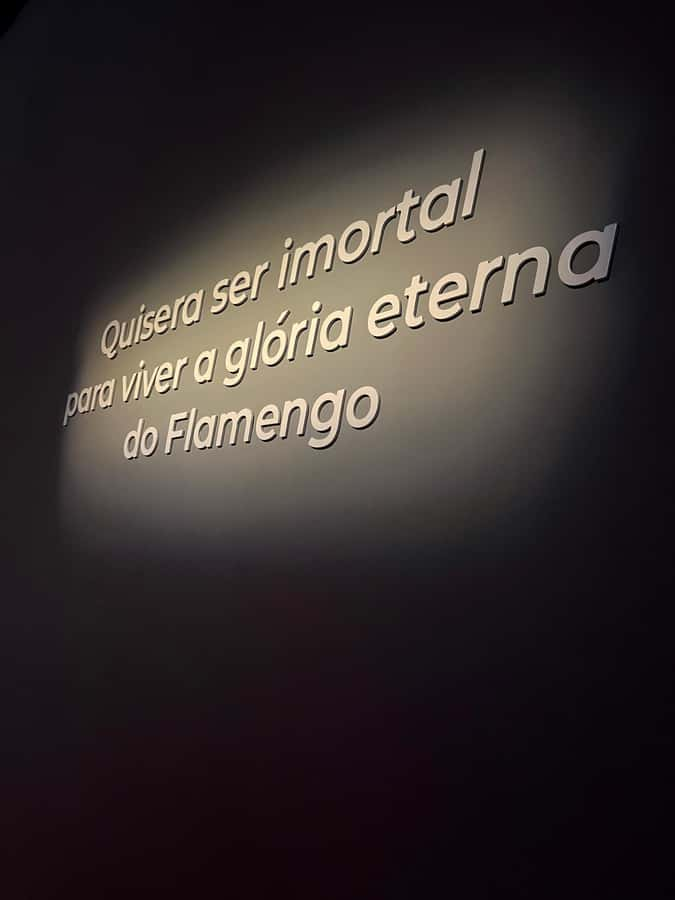
The most interesting part of Flamengo’s story is its change of course. The museum begins with the club’s origins in 1895, when it was formed around water sports, then follows the growth of an institution now closely associated with football. That shift helps you understand Flamengo as a club with a long sporting life, rather than as a team that appeared fully formed on the pitch.
The collection also includes figures from several sports, historical objects and material tied to the club’s past. You can expect the football story to be a major focus, but the wider sporting record gives the visit more depth. If you follow Brazilian football, this background helps put the club’s scale and identity into context.
The museum is located at Clube de Regatas do Flamengo’s headquarters in Gávea, in south Rio. That setting connects the visit to the club itself, though your ticket does not include a tour of the headquarters. It is worth keeping that distinction clear if you are hoping for a broader look around the site.
More museum visits around Rio de Janeiro:
- Petrópolis Day Trip from Rio de Janeiro including Imperial Museum and Crystal Palace
★ 4.0 · 101 reviews - Olympic Boulevard, Museum of Tomorrow & Historical Rio
★ 4.5 · 66 reviews - Rio: Olympic Boulevard, AquaRio and Museum of Tomorrow Tour
★ 4.5 · 54 reviews
Four floors of trophies, with room to linger
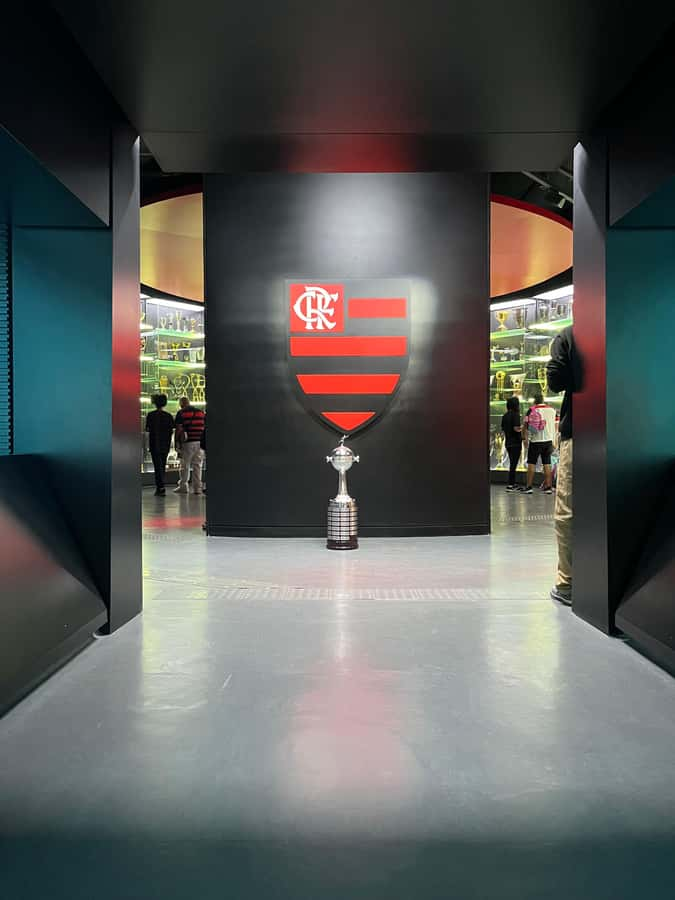
The trophy room is the museum’s headline collection. Spread across four floors, it gives Flamengo’s achievements physical scale: instead of seeing a few prizes grouped together, you move through a display that reflects the club’s long record across sports and eras.
Trophies can tell you what a club has won, but the surrounding context matters. Here, the collection is part of a larger account of how Flamengo developed, and the themed sections help connect objects to people and moments. You can take your time with the displays rather than treating the museum as a single trophy stop.
The size of the room may be a plus for committed supporters, who will have plenty to look at. For a casual visitor, four floors can also feel like a lot if you are short on time or mainly interested in football. The ticket is valid for one day, but the information provided does not set a recommended visit length, so allow yourself enough room to explore at your own pace.
Fourteen themed sections tell the story in different ways
The museum’s 14 themed sections mix historical objects with technology, giant screens and interactive displays. This variety matters: a club’s history can be hard to follow when it is presented only as dates and names. Changing formats give you different ways into the story, whether you are looking at an artefact or watching a defining moment on screen.
The presentation aims to place you near some of Flamengo’s most memorable episodes. Sensory environments and specially designed spaces add atmosphere, while the screens give major moments more scale than a label on a wall could manage. The emphasis is on making you feel connected to the club’s story, not just handing you a list of results.
That approach should appeal to fans who know the chants, colours and rivalries already. If you are new to Flamengo, the digital guide can help anchor what you see. Still, a technology-led presentation is not the same as having a live guide to answer questions, and no named guide or live guided tour is specified for this ticket.
The red-and-black feeling is part of the visit
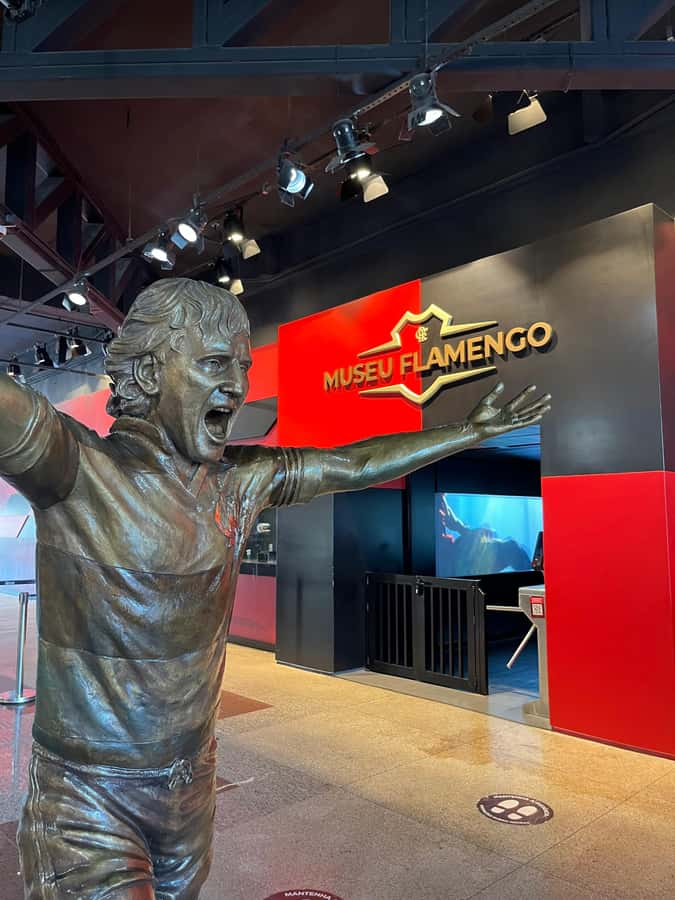
Flamengo is known for a powerful supporter culture, and the museum reflects that emotional side of the club. The spaces are meant to bring you close to important moments and make the experience feel connected to the Rubro-Negro identity. Even if you do not arrive as a fan, you can see how a club becomes part of a city’s and a country’s sporting life.
That emotional tone is one of the experience’s strongest features. Some visitors describe the atmosphere as moving, and the positive feedback especially highlights the Rubro-Negro experience and the museum environment. If you are already attached to Flamengo, the exhibits may land as personal memories as much as sports history. If you are not, the visit still offers a window into the intensity of Brazilian club support.
There is also a practical fan detail: one visitor mentioned buying Flamengo products. That suggests club merchandise may be part of the visit, but it is not included in the ticket price. Treat it as a possible extra, not a reason to budget on the assumption that a shop is guaranteed or that anything is included.
More tickets and passes around Rio de Janeiro:
- Christ the Redeemer Entry Ticket by Corcovado Train
★ 4.4 · 4,476 reviews - Rio de Janeiro: Sugarloaf Cable Car Official Ticket
★ 4.6 · 2,873 reviews - Rio: Maracanã Stadium Official Entrance Ticket
★ 4.4 · 1,632 reviews - Skip the Line Christ the Redeemer Admission Ticket
★ 4.0 · 508 reviews
The digital guide helps bridge language gaps
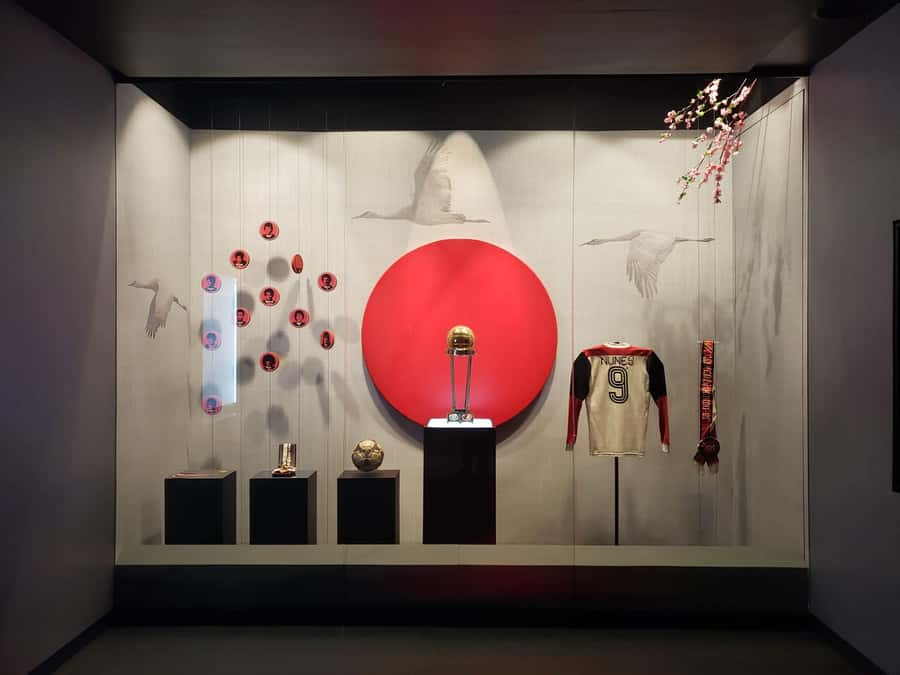
Your ticket includes a digital guide in English, Spanish and Portuguese. That is useful in a museum where the story stretches across many decades and includes objects, sporting figures and club milestones. If you do not read Portuguese, having an English or Spanish option should make it easier to follow the background rather than relying on display images alone.
The guide is digital, so bring a charged phone. The museum asks visitors to put phones on silent or airplane mode, and flash photography and filming are not allowed. Check how the digital guide is accessed before setting off, and keep your phone quiet once inside.
The provider’s information lists Spanish, English and Portuguese for the activity. It does not name a particular guide, nor does it say that an in-person guide accompanies the visit. Book this for access to the museum and its digital guide, not for a scheduled conversation with a guide.
What the $18 ticket is worth
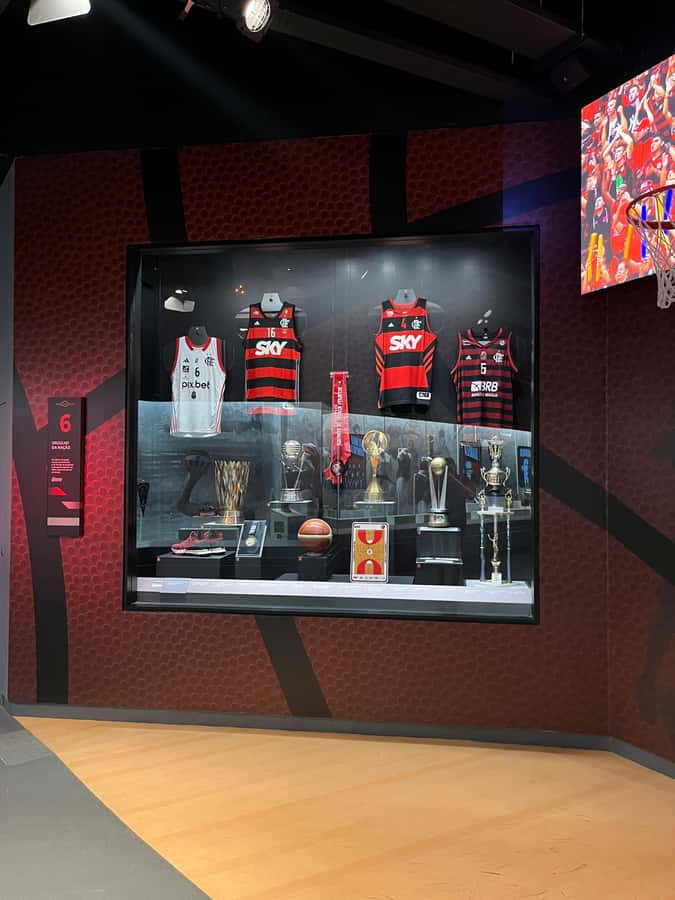
At $18 per person, this is a focused cultural stop rather than a full-day guided excursion. The price buys entry to a museum with a four-floor trophy display and 14 themed sections, plus a digital guide in three languages. If you care about Flamengo, that combination offers a substantial way to spend time with the club’s story.
The value is less obvious if you have little interest in sport. The exhibits use technology and historical objects to make the story accessible, but the subject remains Flamengo. You are paying for a close look at one club’s identity and achievements, not for a broad survey of Rio’s history or a tour of Gávea.
Food and drinks are not included, and neither is a headquarters tour. The museum prohibits food and drinks on the premises, so plan to eat before or after your visit rather than expecting a café stop inside. The ticket is valid for one day, and the available starting times depend on the date you choose.
The experience has a 4.7 rating from 22 reviews, a promising sign for a specialist museum. Praise has focused on the atmosphere, the emotional quality of the Rubro-Negro experience and the club’s history and symbols. Those strengths are most relevant if you want a visit with feeling as well as facts.
Practical rules to keep your visit simple
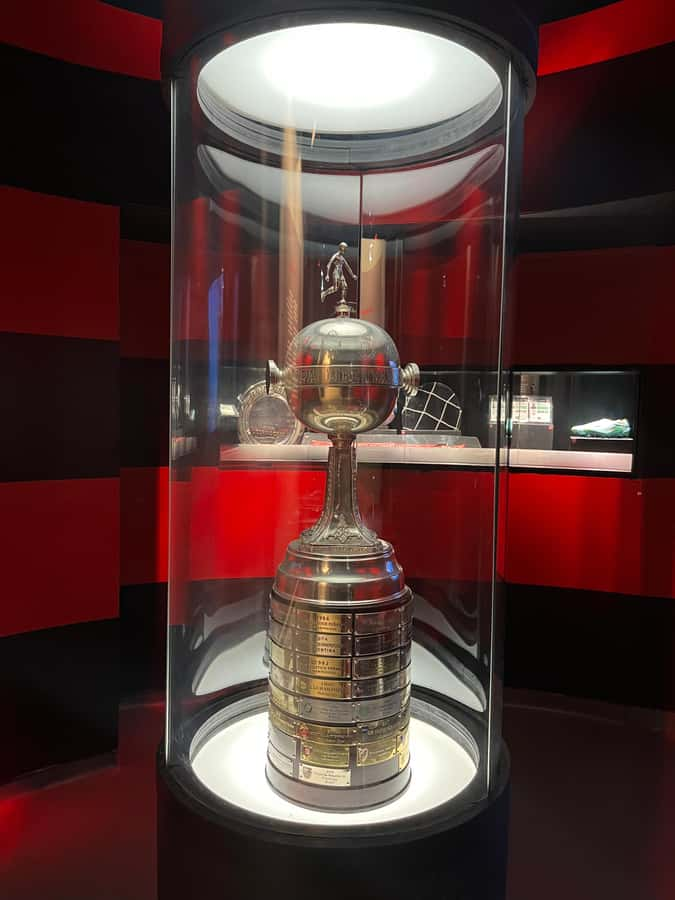
The museum has a long list of prohibited items and activities. Pets are not allowed, except assistance dogs; food, drinks, alcohol, drugs, smoking and vaping are also prohibited. Weapons, sharp objects, glass objects, plastic bags, scooters and making a fire are not allowed.
Two rules deserve special attention: sportswear is listed as prohibited, and you cannot film or take photographs with flash. The museum also asks you to keep your phone on silent or airplane mode. Since the sportswear restriction may surprise visitors heading to a sports museum, check your clothing before leaving and follow the entry guidance.
Unaccompanied minors are not permitted. If you are visiting with children, make sure they are accompanied. The details provided do not state a minimum age or give further child-entry conditions, so contact the museum or ticket provider if you need to confirm a specific arrangement.
Booking is flexible: you can reserve now and pay later, and cancellation up to 24 hours in advance is eligible for a full refund. That can be useful if your Rio plans are still taking shape, but check the selected date and entry time before you confirm.
Who should make time for the Flamengo Museum?
I would put this museum high on the list for Flamengo supporters, football fans curious about Brazil’s biggest clubs, and anyone interested in how sport becomes part of a community’s identity. The combination of historic objects, trophies, screens and emotional storytelling gives fans several ways to connect with the club’s past.
It can also suit a mixed-interest group if one person is a devoted supporter and the others enjoy sports museums or local history. The digital guide in three languages helps make the displays more approachable, while the range of sports gives the story more than one angle.
If you are not interested in sport, or you want a guided tour of the club’s headquarters, this may not be the right choice. The ticket is specifically for the museum, and its appeal rests on Flamengo’s history and supporter culture. For a fan, that focus is the point. For everyone else, it is worth weighing against other Rio activities.
Should you book this ticket?
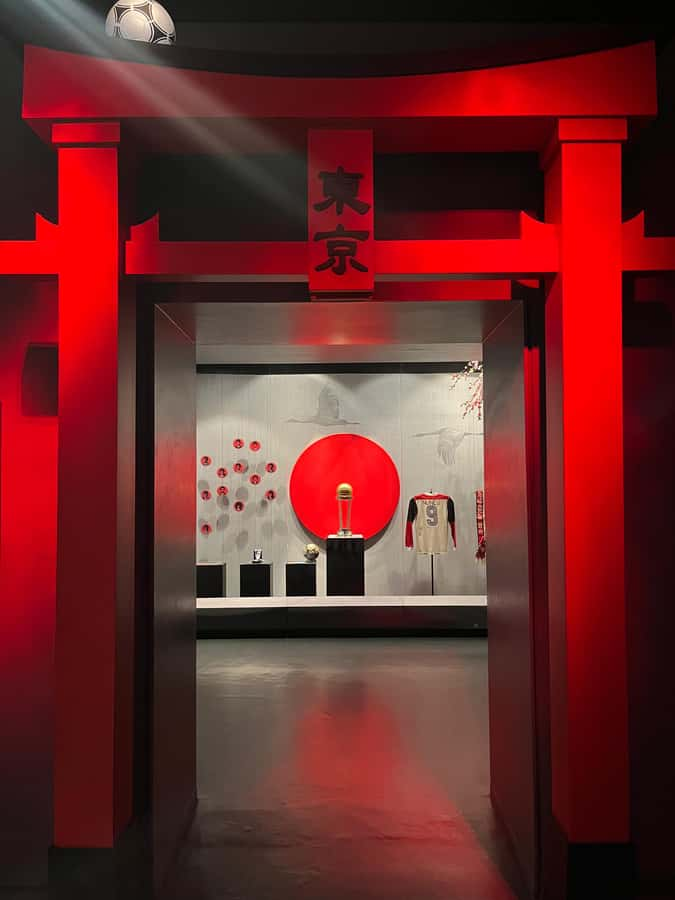
Book it if Flamengo means something to you, or if you want a well-presented look at a major Brazilian sports institution. Four floors of trophies, 14 themed sections and a three-language digital guide make the $18 price reasonable for a fan who plans to take time with the exhibits.
Skip it if you expect a stadium or headquarters tour, need a live guide, or have little interest in football and club history. And before you go, dress with the sportswear restriction in mind, leave food and drinks outside, and keep your phone quiet. With those details sorted, the museum offers a direct, memorable encounter with Flamengo’s story.
FAQ
Where is the Flamengo Museum?
It is at the headquarters of Clube de Regatas do Flamengo in the Gávea neighborhood, in south Rio de Janeiro.
How much does the ticket cost?
The listed price is $18 per person.
What does the ticket include?
It includes museum admission and a digital guide available in English, Spanish and Portuguese.
Is a tour of the Gávea headquarters included?
No. A tour of Gávea is not included in the museum ticket.
How long is the ticket valid?
The ticket is valid for one day. Starting times depend on availability for the date you choose.
Can I cancel my booking?
Yes. You can cancel up to 24 hours in advance for a full refund.
Can I take photos or bring food and drinks?
Flash photography and filming are not allowed. Food and drinks are prohibited inside the museum.
Just added around Rio de Janeiro
- Paraty Historical City Walking Tour★ 4.1 · 8 reviews
- Rio de Janeiro: Zip Lining and Canopy Tree Tour★ 3.3 · 6 reviews
- Hang gliding flight in Rio de Janeiro★ 5.0 · 6 reviews
- Trindade Day Trip: Nature and Sea Adventure from Paraty★ 4.6 · 5 reviews
- Vidigal Favela Tour★ 4.4 · 26 reviews
- Rio Highlights: Christ, Sugarloaf, and More in a Private Tour★ 5.0 · 36 reviews
- Buzios: City Tour by Trolley with 12 Beaches and Pickup★ 4.5 · 4 reviews
- Rio de Janeiro: Attend a Vasco da Gama game with local guide★ 4.8 · 9 reviews
Rio Museum Tours, compared.
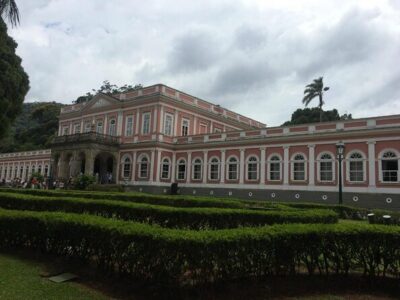
Petrópolis Day Trip from Rio de Janeiro including Imperial Museum and Crystal Palace
Read our review →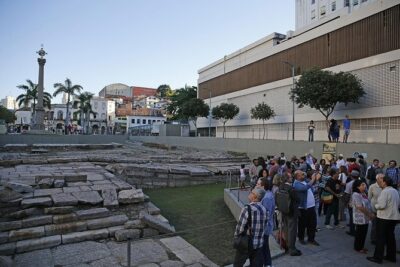
Olympic Boulevard, Museum of Tomorrow & Historical Rio
Read our review →
Olympic Boulevard, AquaRio and Museum of Tomorrow Tour
Read our review →
Olympic Boulevard, Museum of Tomorrow & History Tour
Read our review →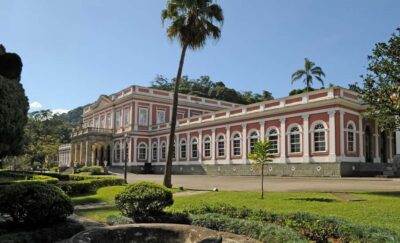
Petrópolis Trip with Palace, Imperial Museum & Brewery
Read our review →
Museum of Tomorrow Guided Tour, Admission & Transfer
Read our review →
Browse the lists this tour appears in