

Reviewed · SANTA TERESA TOURS
Santa Teresa – Bohemia and Art
Santa Teresa’s appeal is in the mix: cobblestone lanes, grand old houses and street art sit above the busy city, with views that can reach Christ the Redeemer. This three-hour walk pairs neighborhood history with a snack stop and a visit to Parque das Ruinas, a former mansion now known for its panoramic outlook.
I like the contrast between the area’s colonial and belle époque architecture and its contemporary murals, and I like that the walk includes local favorites, açaí and pão de queijo, rather than treating the neighborhood as scenery alone. One caveat: if the tram queue is longer than an hour, the tour may use taxis instead, and a change in plan can affect how much time you spend on the art-focused parts of Santa Teresa.
What to know before you book
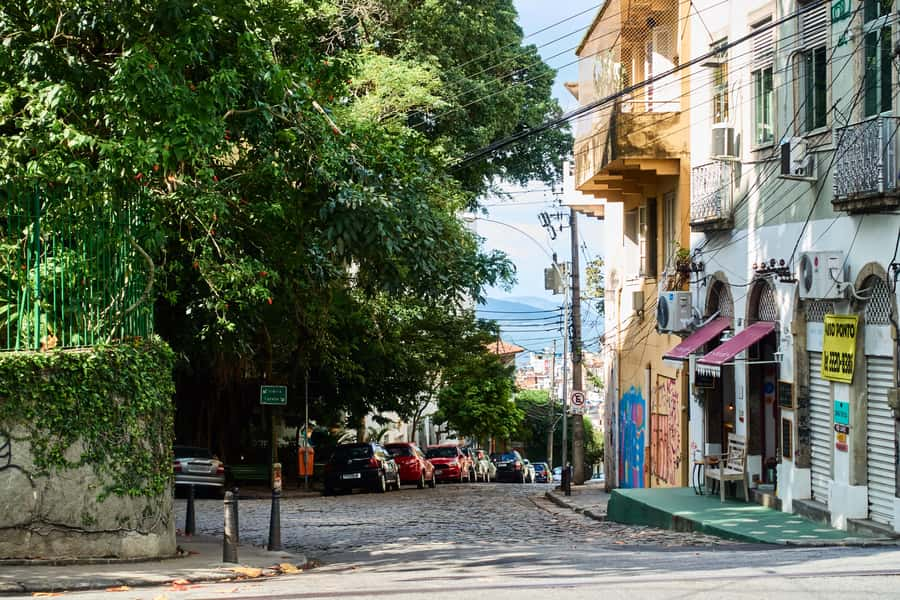
- The yellow tram is part of the plan, not a guarantee. Tram tickets are included, but a queue over an hour means the group may take taxis to Santa Teresa instead.
- Parque das Ruinas is the main historic stop. The restored mansion of Laurinda Santos Lobo offers a close look at a grand residence and wide views over Rio.
- The walk covers varied street scenes. Expect cobblestones, colonial houses, palaces, murals and the passage of the neighborhood’s famous trams.
- Your snack is included. The tour pauses for açaí and pão de queijo, two Brazilian staples.
- Guiding is available in three languages. You can choose English, Portuguese or Spanish, depending on the available start time.
- Plan for a real walk. Comfortable shoes are essential, and the tour is not suitable for people with mobility impairments.
A walk through Santa Teresa’s shifting character

Santa Teresa is often called Rio’s bohemian heart, and the tour gives you a compact introduction to why. Rather than focusing on a single monument, it connects the neighborhood’s architecture, public art, historic transport and hilltop views. That variety is useful if you want to understand the area in a few hours before deciding where to return on your own.
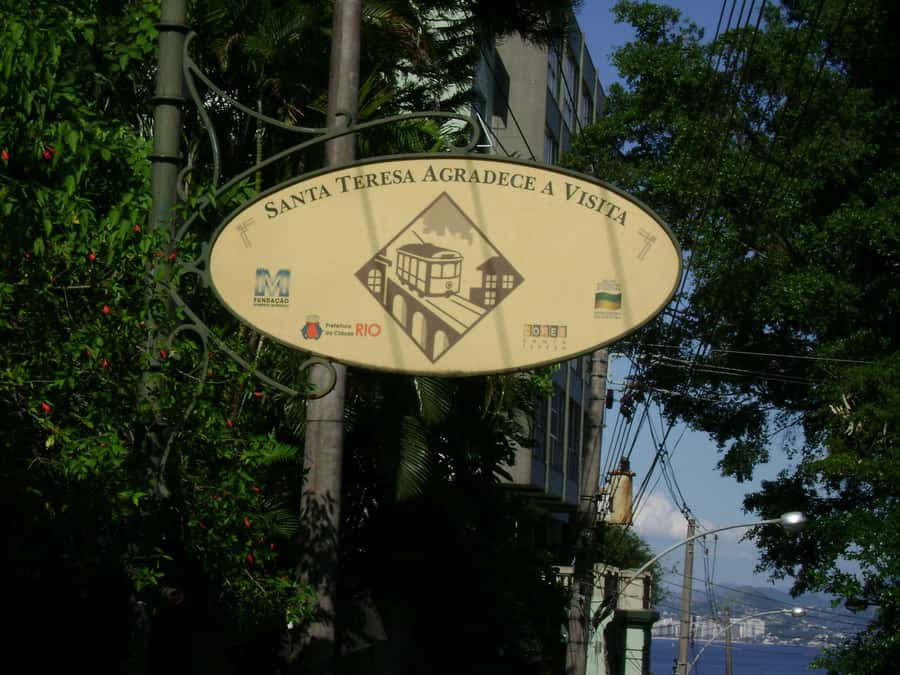
The experience begins in front of Estação de Bondes de Santa Teresa, the meeting point for the neighborhood’s yellow trams. The planned journey takes about 15 minutes before the group begins walking. From there, the pace shifts to foot travel through cobbled streets, with the guide explaining the area’s past as you go.
That format suits curious walkers who like a story attached to what they see. It is less suited to anyone hoping for a private studio visit or an in-depth art workshop. The description promises a look at local creative work and murals, but it does not specify meetings with individual artists or access to their workspaces.
More Santa Teresa tours around Rio de Janeiro:
- Santa Teresa, Lapa, and Cinelândia with Tram Ride and Selarón Steps
★ 4.5 · 274 reviews - Rio de Janeiro: Historic Rio and Santa Teresa Half-Day Tour
★ 4.4 · 228 reviews - Ancient Rio and Santa Teresa Tour with Hotel pick-up and drop-off
★ 4.5 · 154 reviews
The tram ride, with a practical caveat
The yellow tram is one of Santa Teresa’s most recognizable features, and riding it can make the approach feel like part of the outing rather than mere transport. Tickets are included. Still, the tour makes a sensible trade-off: if the queue exceeds an hour, the group uses taxis to reach the neighborhood so the wait does not consume the tour.
That safeguard matters. A three-hour activity is short enough that spending a large share of it in line would leave little time for the walk itself. But the alternative can change the feel of the tour. One itinerary account described a detour to the National Library and the Justice Court before taking taxis to Santa Teresa. Those stops may interest some visitors, but they are not a substitute for the promised neighborhood art and architecture.
I would book this with flexibility about the exact route, not with a firm expectation of riding the tram. If the tram ride is your main reason for booking, ask about the current queue and plan before you go. If your priority is a guided introduction to Santa Teresa, the taxi option may still get you to the main part of the experience in good time.
Cobblestones, murals and old houses
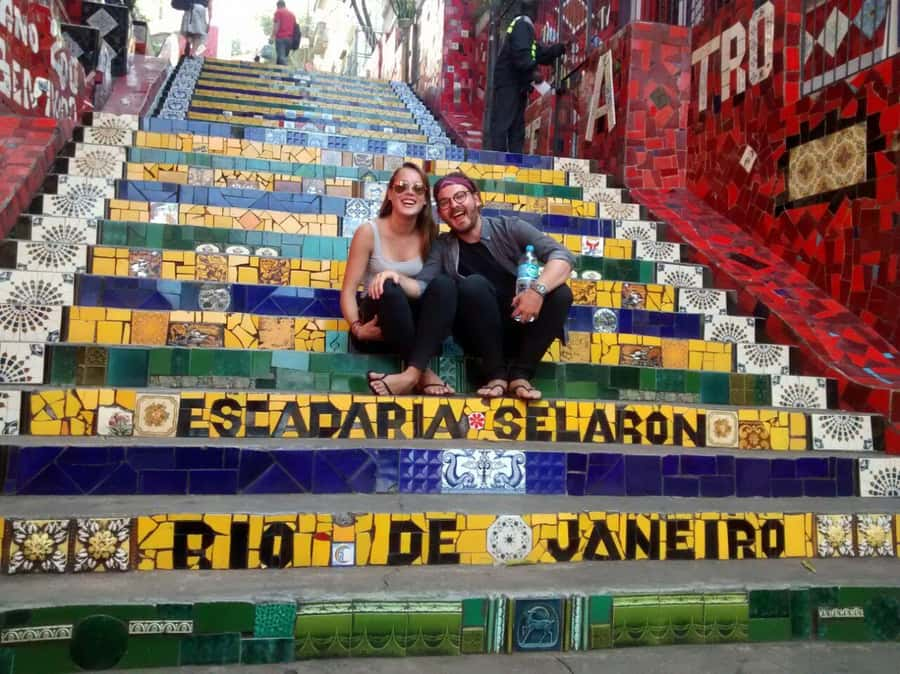
Once the group starts walking, the streets themselves become the subject. You pass colonial houses and palaces, while urban murals add a more recent layer to the neighborhood. The guide’s historical commentary helps tie those details together, turning a walk past façades into a sense of how the area changed over time.
Architecture is one of the tour’s strongest draws. You can look for the difference between older colonial forms and the more ornate residences associated with the Brazilian belle époque. The mansions give Santa Teresa a stately air, while the cobblestones and tram tracks keep the walk grounded in the everyday street.
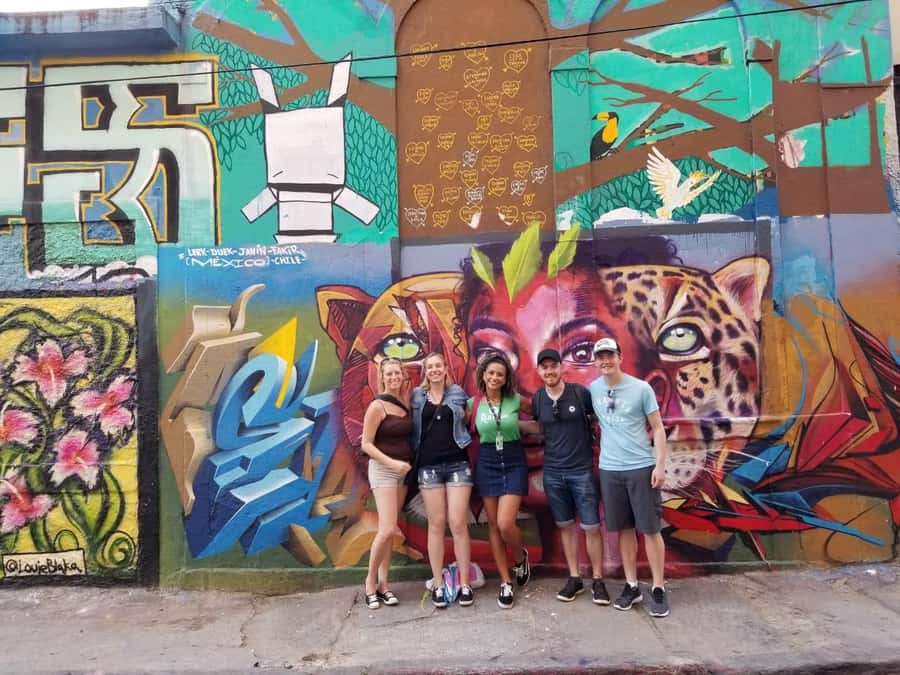
The art element is promising, but the level of access may depend on the route and guide. The tour includes a look at murals and local art, yet it does not promise a studio visit or a meeting with an artist. One account described spending too long in a gallery that felt more like a souvenir shop than a working art space. If you want to see how local artists make their work, ask the guide at the start what art stops are planned that day.
Guide quality can make a big difference on a walk like this. Rafael was singled out for sharing interesting anecdotes, and Fernanda was praised for knowing details and being attentive. Those names are useful indicators of the kind of guided experience available, but they do not guarantee who will lead your departure. One traveler also happened to be the only person booked for a particular time, which allowed for plenty of questions. Do not count on a private tour, but do use the chance to ask what catches your eye.
A view of Christ the Redeemer
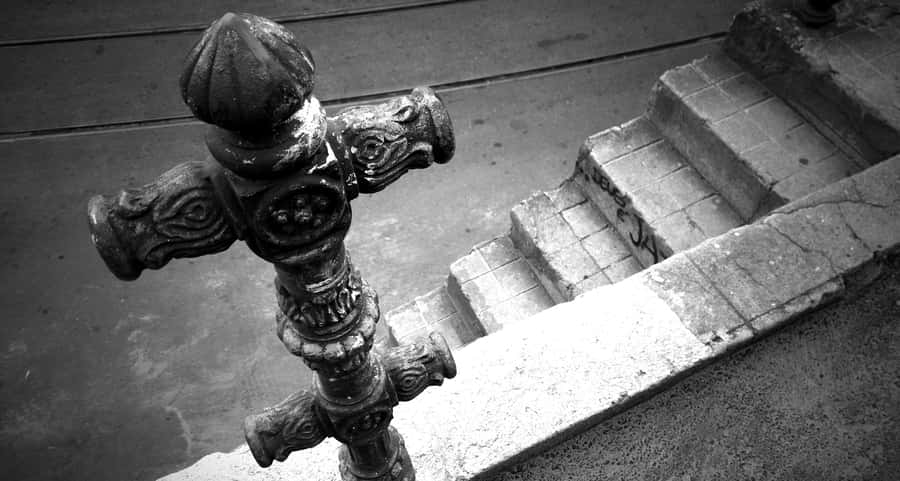
The route includes privileged views of Christ the Redeemer, a welcome reminder that Santa Teresa’s streets sit high above much of the city. The exact view will depend on where the group is standing and the conditions on the day, so treat it as a scenic part of the walk rather than a guaranteed close-up or dedicated viewpoint.
The outlook is one reason this neighborhood works well on foot. As you move through its streets, the view can open up between buildings and across the city. A guide can give you context for what you are seeing, while the walking pace leaves room to stop and take it in.
Bring comfortable shoes, not dress shoes. The tour takes place in cobbled streets, and the operator specifically advises against high heels. It also runs in the rain, so consider bringing suitable rain gear if the forecast looks unsettled. The tour information does not say that bad weather cancels the walk.
Same city, a different kind of day:
- Rio de Janeiro: 6-Stop Highlights of Rio with Lunch
★ 4.4 · 5,157 reviews - Christ the Redeemer Entry Ticket by Corcovado Train
★ 4.4 · 4,476 reviews - Rio de Janeiro: Rocinha Favela Walking Tour with Local Guide
★ 4.8 · 3,052 reviews - Rio de Janeiro: Sugarloaf Cable Car Official Ticket
★ 4.6 · 2,873 reviews
Parque das Ruinas and Laurinda’s mansion
Parque das Ruinas is the tour’s clearest historical anchor. Here, you can enter the house of Laurinda Santos Lobo, a mansion that stood abandoned for more than 50 years before being rehabilitated. The house once represented the splendor of the Brazilian belle époque, and its restored spaces help put the neighborhood’s grand architecture into human terms.
The visit also connects the mansion to a wider story of Brazilian history. The tour presents the house as a way to understand life during the Brazilian Empire, while its later belle époque associations point to another chapter in its past. That layered story is more compelling than simply admiring a handsome old building from the street.
The park’s other major reward is its panoramic view of Rio. It gives you a broad look across the city, a different perspective from the glimpses of Christ the Redeemer along the route. If you enjoy places where architecture and scenery come together, this is likely to be the high point.
Keep expectations realistic about access to other museums or cultural sites. A past route included approaching a museum only to find it closed. That is a good reason to ask the guide which stops are open on your tour and to treat any extra indoor visit as a possible bonus, not a certainty.
Açaí and pão de queijo on the route

The snack stop is a small but welcome part of the experience. Açaí and pão de queijo are included, giving you a taste of two familiar Brazilian treats without having to plan a separate café visit. The food is a pleasant pause in the walk, not a full meal, so eat beforehand if you expect to need lunch.
There is a practical distinction between tasting local food and seeking a rare culinary discovery. These snacks are widely available around Rio, so the value is more about enjoying them as part of the guided outing than finding something exclusive to Santa Teresa. If food is your main reason for booking, this is a modest included treat, not a food tour.
Is three hours enough?
Three hours is a sensible length for a neighborhood introduction: long enough for history, street scenes, a snack and Parque das Ruinas, but short enough to fit into a busy Rio itinerary. The planned journey to Santa Teresa takes about 15 minutes, followed by walking through the area.
Allow for some variation. A taxi substitution, a detour or a stop that takes longer than expected can change how the time is divided. One account described a tour lasting about two and a half hours rather than the full three. If you have a tight schedule afterward, leave a buffer instead of arranging a timed activity immediately after the advertised finish.
This walk is best for someone who wants a guided overview, enjoys architecture and public art, and is comfortable spending several hours on foot. It may be less satisfying if you expect an intensive art program, a guaranteed tram ride, or access to lesser-known studios. The tour is explicitly not suitable for people with mobility impairments.
What the $60 price gets you

At $60 per person, the value depends on what you want from Santa Teresa. The fee includes a live guide, tram tickets when the group rides, and açaí with pão de queijo. More important, it gives you a structured route and historical explanations in a neighborhood where the interest is spread across streets, buildings and viewpoints rather than concentrated in one ticketed attraction.
If you are comfortable exploring independently, you could reach the neighborhood by taxi and walk around without a guide. The tour’s added value is the context and the convenience of a planned outing, especially if you want to hear about the houses and the area’s history as you go. But value falls if the route spends too little time on Santa Teresa itself or shifts toward unrelated stops.
The tour has earned strong praise for the guides and for the neighborhood’s artistic character, though the experience can vary with the route and tram conditions. I would choose it if you want a guided first visit and are happy to let the day’s logistics shape the exact sequence. If you already know the district or want to seek out working artists, you may prefer to explore on your own and spend your time at places you have chosen in advance.
Booking is flexible: you can reserve now and pay later, and cancel up to 24 hours in advance for a full refund. Those terms are helpful, but they do not change the main decision. Book for the stories, views and broad introduction to Santa Teresa, not for a guaranteed tram ride or an artist’s studio visit.
FAQ

How long does the Santa Teresa tour last?
The tour is scheduled for three hours. The actual duration can vary; one account described a visit lasting about two and a half hours.
Where does the tour meet?
Meet in front of Estação de Bondes de Santa Teresa.
Is a tram ride included?
Tram tickets are included, but the group will not ride if the queue is longer than an hour. In that case, taxis are used to reach Santa Teresa.
What food is included?
The tour includes a stop for açaí and pão de queijo.
What languages can the guide speak?
Guides are available in English, Portuguese and Spanish. Check the available start times for your preferred language.
What should I wear or bring?
Wear comfortable shoes for the walking route. High heels are not allowed, and large bags or luggage are not permitted.
Does the tour run in the rain?
Yes. The tour takes place even if it is raining.
Is the tour suitable for people with mobility impairments?
No. The activity is a walking tour and is listed as unsuitable for people with mobility impairments.
Can I cancel, or reserve without paying right away?
You can cancel up to 24 hours in advance for a full refund. The reserve-now, pay-later option lets you book without paying immediately.
Just added around Rio de Janeiro
- Paraty Historical City Walking Tour★ 4.1 · 8 reviews
- Rio de Janeiro: Zip Lining and Canopy Tree Tour★ 3.3 · 6 reviews
- Hang gliding flight in Rio de Janeiro★ 5.0 · 6 reviews
- Trindade Day Trip: Nature and Sea Adventure from Paraty★ 4.6 · 5 reviews
- Vidigal Favela Tour★ 4.4 · 26 reviews
- Buzios: City Tour by Trolley with 12 Beaches and Pickup★ 4.5 · 4 reviews
- Rio de Janeiro: Attend a Vasco da Gama game with local guide★ 4.8 · 9 reviews
- Rio Highlights: Christ, Sugarloaf, and More in a Private Tour★ 5.0 · 36 reviews
Santa Teresa Tours, compared.

Santa Teresa, Lapa, and Cinelândia with Tram Ride and Selarón Steps
Read our review →

Ancient Rio and Santa Teresa Tour with Hotel pick-up and drop-off
Read our review →
Walking tour of the bohemian neighborhoods of Santa Teresa and Lapa
Read our review →
Centro Historico and Lapa – Santa Teresa Walking, Historical and Bohemian Tour
Read our review →

Browse the lists this tour appears in